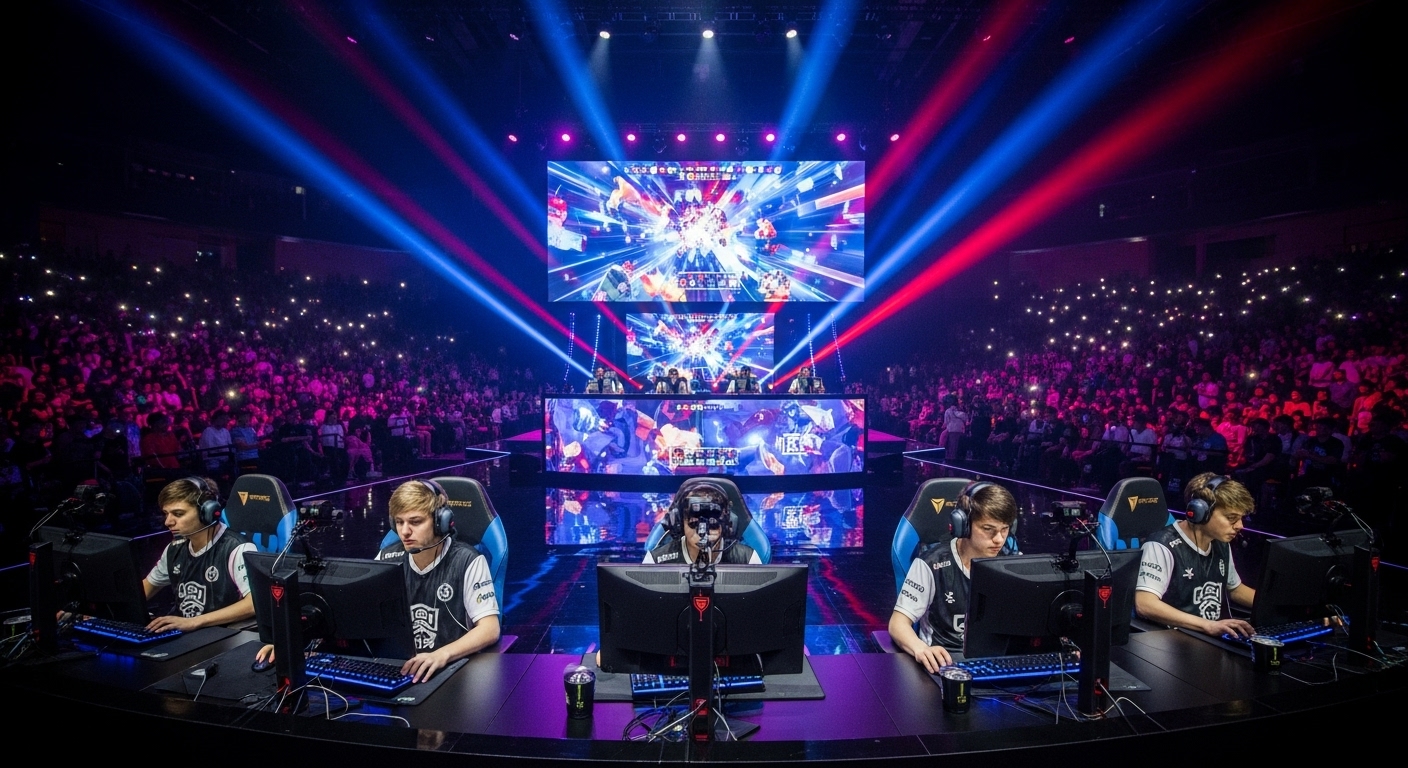
The Rise of Esports: How Competitive Gaming is Changing the World
Introduction
Esports, once a niche activity, has exploded in popularity in recent years, evolving into a global phenomenon that rivals traditional sports in terms of viewership, sponsorships, and financial opportunities. What was once considered a pastime for a small group of gamers has now become a multibillion-dollar industry, attracting millions of fans, professional players, and investors from all around the world. From live-streamed tournaments to sponsorship deals and packed arenas, esports has transformed the way we think about gaming and competition.
But what exactly is esports? Esports, or electronic sports, refers to organized, multiplayer video game competitions, particularly between professional players, individually or as teams. These events are often live-streamed online, and the audience can watch high-level competitive gaming at its finest. In this blog post, we’ll explore the rise of esports, its impact on the entertainment industry, the economic benefits it provides, and its potential to shape the future of both gaming and traditional sports.
The Evolution of Esports: From Hobby to Profession
The origins of esports can be traced back to the early days of video gaming. In the 1970s and 1980s, arcade gaming was at its peak, and competitions between players for the highest scores were commonplace. The first significant milestone in the history of esports came in 1997, with the launch of the Red Annihilation Tournament for the popular first-person shooter game Quake. This event, which attracted thousands of online participants, marked one of the first times that competitive gaming was organized at a large scale.
As the internet became more accessible in the late 1990s and early 2000s, online gaming platforms like Battle.net (used for games like Warcraft and StarCraft) allowed players to compete against each other from their homes. This new form of connectivity led to the creation of competitive gaming leagues and tournaments, which began attracting a growing number of players and viewers.
However, it wasn’t until the 2010s that esports truly started to gain mainstream recognition. Games like League of Legends, Dota 2, Counter-Strike: Global Offensive, and Fortnite provided not only engaging gameplay but also the infrastructure for competitive events. With platforms like Twitch offering live-streaming capabilities, fans could now watch their favorite players and teams compete in real-time. Esports began to be recognized not just as an entertaining hobby, but as a legitimate sport in its own right.
Esports as a Multibillion-Dollar Industry
One of the most compelling aspects of esports is its immense financial growth. In 2020, the esports industry was valued at over $1 billion, and projections suggest that number will continue to grow in the coming years. This exponential growth is fueled by several factors, including increased viewership, greater sponsorship opportunities, and the proliferation of streaming platforms.
Sponsorships are a major revenue stream for esports organizations and events. Companies from a wide range of industries, including tech, gaming, apparel, and even automobile manufacturers, are eager to partner with esports organizations to tap into the growing gaming demographic. Sponsorships can include anything from jersey logos to in-game brand placements and event partnerships. Major companies like Intel, Coca-Cola, and Red Bull have invested heavily in the esports industry, helping to drive its growth.
Moreover, esports organizations are increasingly attracting investors who recognize the long-term value of the industry. The success of major esports teams like Cloud9, TSM (Team SoloMid), and FaZe Clan has demonstrated the potential for profitability, and many investors see esports as a smart financial opportunity. These teams not only compete in high-profile tournaments, but also manage merchandise sales, sponsorships, and media rights, further increasing their value.
Streaming platforms like Twitch and YouTube have also played a significant role in the rise of esports. Twitch, in particular, has become the go-to destination for live gaming streams, offering viewers access to professional esports events, gameplay tutorials, and casual gaming content. Streamers who build large audiences can generate substantial income through advertising, donations, and subscription services. This shift has turned gaming from a pastime into a viable career for many content creators.
The Global Appeal of Esports
One of the defining characteristics of esports is its global reach. Unlike traditional sports, which are often confined to specific regions, esports transcends national boundaries, bringing together players and fans from all corners of the globe. Whether it’s a League of Legends World Championship or an international Dota 2 tournament, esports events attract participants and viewers from diverse cultures and countries.
The global appeal of esports has also resulted in the rise of international leagues and tournaments. For example, the League of Legends World Championship draws teams from North America, Europe, Korea, China, and beyond, while The International for Dota 2 features the best teams from every continent. These events create a sense of global unity among players and fans, as they come together to cheer for their favorite teams or players.
Furthermore, the ease with which esports can be accessed online has contributed to its worldwide popularity. Viewers can watch tournaments and competitions on platforms like Twitch, YouTube, and Facebook, regardless of their location. This ease of access has democratized esports, allowing individuals from any country with an internet connection to participate in or follow professional gaming.
Esports has also made a significant impact in emerging markets. In countries like China, South Korea, and Brazil, esports has become a mainstream form of entertainment, with thousands of fans attending live events and supporting their local teams. The expansion of esports into these regions further solidifies its global presence and potential for growth.
The Role of Esports in Traditional Sports
While esports was initially seen as a rival to traditional sports, the relationship between the two has evolved. Today, many traditional sports organizations recognize the value of esports and are investing in it. Major sports leagues like the NFL, NBA, and La Liga have all launched esports leagues or partnered with existing esports organizations to reach new, younger audiences.
For example, the NBA launched the NBA 2K League, an esports league based on the popular basketball video game NBA 2K. The league features professional players who compete in virtual basketball matches, and its games are broadcasted on major sports networks. Similarly, soccer clubs like FC Barcelona and Manchester City have entered the esports scene by sponsoring professional FIFA teams and competing in FIFA tournaments.
This crossover between traditional and esports is helping to legitimize competitive gaming and attract a broader audience. Esports events are now being held in traditional sports arenas, with thousands of fans attending in person and millions more watching online. The overlap between sports fans and esports fans has helped to bridge the gap between the two industries, leading to greater recognition and acceptance of esports as a legitimate form of competition.
Esports and the Rise of the “Pro Gamer”
As esports has grown, so has the concept of the “professional gamer.” Just like athletes in traditional sports, professional esports players undergo intense training regimens, hone their skills, and compete in high-stakes tournaments for significant cash prizes. Esports players often spend hours each day practicing and strategizing with their teams, studying opponents, and improving their skills.
The rise of the pro gamer has led to a shift in the perception of gaming as a career. While gaming was once considered a hobby, many young players now aspire to become professional gamers, viewing it as a legitimate path to success and financial reward. Esports players can earn money not only from tournament winnings but also from sponsorships, streaming revenue, and merchandise sales. The top esports players can make millions of dollars annually, rivaling the earnings of professional athletes in traditional sports.
This has led to the creation of esports academies and training programs designed to help aspiring players improve their skills and reach the professional level. Just like training camps for athletes, these academies offer coaching, mentorship, and competitive practice environments that help young players develop the skills needed to succeed in high-level competitions.
The Future of Esports: Opportunities and Challenges
Esports is poised for continued growth in the coming years, with increasing investment, viewership, and mainstream recognition. As technology advances, we can expect to see even more immersive and interactive esports experiences, particularly through virtual reality (VR) and augmented reality (AR). These technologies could take esports to the next level by creating fully interactive tournaments and bringing fans closer to the action than ever before.
However, there are also challenges that the esports industry will need to address. One of the biggest concerns is player health, particularly mental health. Professional gamers often face high levels of stress, intense pressure to perform, and the risk of burnout. Organizations and teams will need to invest in the well-being of their players, providing support for mental health and work-life balance.
Another challenge is the regulation of competitive gaming. As esports becomes more mainstream, issues like match-fixing, doping, and cheating are becoming more prevalent. The industry will need to establish clear guidelines and governance structures to ensure fair play and maintain the integrity of the competition.
Despite these challenges, the future of esports looks bright. With its expanding global audience, lucrative opportunities for players, and growing recognition within the sports industry, esports is well on its way to becoming a permanent fixture in the entertainment world.
Conclusion
Esports has come a long way from its humble beginnings as a niche activity to becoming a global entertainment juggernaut. With its vast reach, economic impact, and cultural influence, esports is reshaping the world of competition and leisure. As technology continues to evolve, esports will only become more immersive and inclusive, attracting even more players, viewers, and investors.


