Pixels to Podiums: The Rise and Reality of Esports as a Global Phenomenon
Introduction: From Bedroom Screens to World Stages
Esports has transformed from a niche hobby into a global cultural force that rivals traditional sports in viewership, revenue, and influence. What once involved friends competing casually after school has evolved into packed arenas, professional teams, celebrity players, and multi-million prize pools. Esports is no longer just about games; it is about identity, community, discipline, and a rapidly expanding industry that touches technology, media, education, and entertainment. Understanding esports today means understanding how digital competition reshapes the way the world plays, watches, and connects.
What Exactly Is Esports
Esports, short for electronic sports, refers to organized competitive gaming where players or teams compete in video games under structured rules and formats. Unlike casual gaming, esports emphasizes skill mastery, strategy, teamwork, and consistency at the highest level. Popular genres include multiplayer online battle arenas, first-person shooters, real-time strategy games, fighting games, and sports simulations. Matches are broadcast to global audiences, commentated by professionals, and analyzed with the same intensity as traditional athletic contests.
The Early Days and Evolution of Competitive Gaming
Competitive gaming did not appear overnight. Its roots stretch back to arcade competitions and early computer tournaments where high scores were a badge of honor. As internet connectivity improved, players could compete across cities and countries, giving rise to online ladders and amateur leagues. Over time, developers began supporting competitive play directly, building spectator-friendly features and tournament modes. This gradual evolution laid the foundation for today’s polished esports ecosystem, where professionalism and entertainment value are equally important.
The Games That Shaped the Esports Landscape
Certain games became pillars of esports by combining deep mechanics with high spectator appeal. Strategy-based titles reward long-term planning and quick decision-making, while shooters emphasize reflexes, positioning, and coordination. Fighting games showcase individual mastery and mental resilience, often in intense one-on-one battles. Sports simulation games bridge the gap between traditional fans and digital competition. Each category attracts different audiences, but all contribute to the diversity and richness of the esports world.
Professional Players: Athletes of the Digital Age
Esports professionals are often misunderstood as casual gamers who turned lucky. In reality, top players follow demanding routines that include daily practice, physical conditioning, mental training, and strategic analysis. Reaction time, hand-eye coordination, communication, and emotional control are critical skills. Many players work with coaches, analysts, nutritionists, and psychologists to maintain peak performance. The pressure to perform consistently in front of massive audiences mirrors that of traditional athletes, making esports a legitimate test of human excellence.
Teams, Organizations, and Competitive Structure
Behind every successful player is an organization that manages contracts, training facilities, branding, and logistics. Esports teams function much like sports clubs, with rosters, substitutes, coaching staff, and support personnel. Leagues and tournaments are structured around seasons, qualifiers, and championship events. Some regions operate franchise-based leagues, while others rely on open circuits that allow new teams to rise. This structure ensures both stability and opportunity, fueling ongoing competition and innovation.
The Role of Streaming and Online Communities
Streaming platforms revolutionized esports by making it accessible to anyone with an internet connection. Fans can watch live matches, follow their favorite players, and interact in real time through chat. This constant engagement builds strong communities where viewers feel personally connected to players and teams. Content creators expand the ecosystem further by producing educational videos, entertainment streams, and behind-the-scenes insights. Esports thrives not only because people watch, but because they participate emotionally and socially.
Economic Impact and Career Opportunities
The esports industry generates revenue through sponsorships, advertising, media rights, merchandise, ticket sales, and in-game purchases. This growth has created diverse career paths beyond playing professionally. Opportunities exist in event management, broadcasting, marketing, software development, graphic design, journalism, and coaching. Educational institutions now offer programs related to esports management and production, recognizing its long-term economic potential. Esports is no longer a risky dream but a viable professional ecosystem.
Technology as the Backbone of Esports
Advances in hardware, software, and network infrastructure are essential to esports success. High-performance computers, low-latency connections, and precise peripherals allow players to compete fairly and efficiently. On the broadcast side, sophisticated production tools enhance viewer experience through replays, statistics, and immersive visuals. Emerging technologies such as virtual reality, augmented reality, and artificial intelligence promise to reshape how esports is played and consumed, pushing the boundaries of digital competition.
Cultural Influence and Mainstream Acceptance
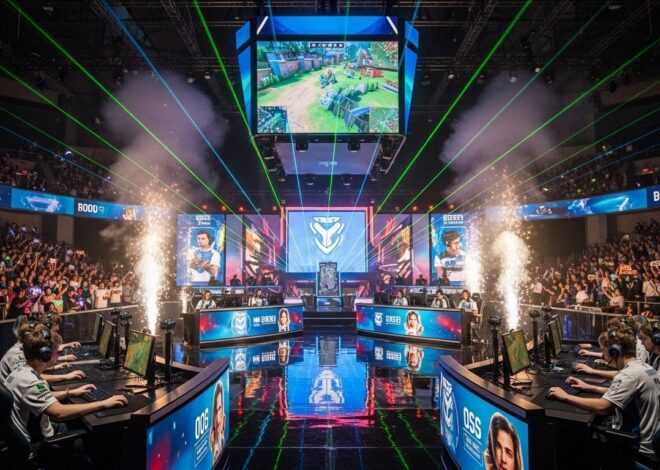
Esports has crossed into mainstream culture through collaborations with music, fashion, and film. Professional players are becoming recognizable public figures, while teams partner with global brands. Major sporting organizations and athletes have invested in esports, further legitimizing the industry. Esports events now fill large venues, and international competitions foster cross-cultural interaction. What was once considered a subculture is now a shared global experience, especially among younger generations.
Challenges Facing the Esports Industry
Despite its growth, esports faces challenges that require careful management. Player burnout is a serious concern due to intense schedules and high expectations. Fair play issues such as cheating and performance-enhancing software demand constant vigilance. Financial sustainability for smaller teams and regional leagues can be difficult. Additionally, ensuring inclusivity and respectful behavior within communities remains an ongoing effort. Addressing these challenges is essential for long-term stability and credibility.
Health, Balance, and Responsible Competition
Modern esports increasingly emphasizes player well-being. Organizations encourage balanced routines that include physical exercise, proper sleep, and mental health support. Awareness around posture, eye strain, and repetitive stress injuries has improved training environments. Responsible competition also involves educating younger players about healthy gaming habits. As esports matures, success is measured not only by trophies but by the longevity and well-being of its participants.
The Future of Esports
The future of esports looks expansive and interconnected. Continued technological innovation will make competitions more immersive and accessible. Grassroots programs and school leagues will nurture talent from an early age. Global tournaments will grow in scale, while regional scenes maintain local identity. Esports may also influence how traditional sports adopt digital elements, creating hybrid forms of entertainment. What remains constant is the human desire to compete, improve, and be recognized.
Conclusion: More Than a Game
Esports represents a powerful shift in how competition and entertainment are defined in the digital era. It blends technology, creativity, and human skill into a form that resonates with millions worldwide. Beyond the screens and scores, esports tells stories of dedication, teamwork, and ambition. As it continues to evolve, esports will not only reflect the future of gaming but also the future of global culture itself.