Beyond the Screen: How Esports is Shaping the Future of Competitive Entertainment
Introduction: The Rise of Esports
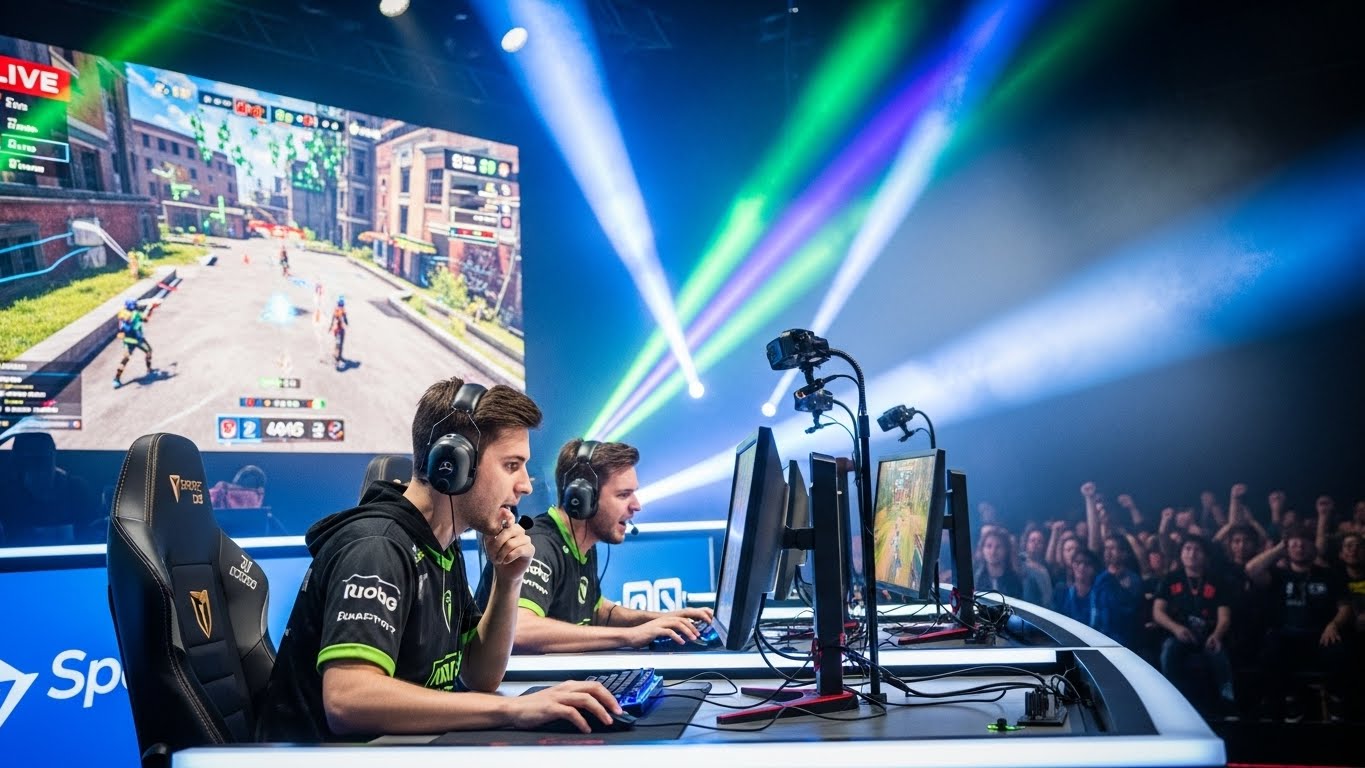
Esports, short for electronic sports, has emerged as a global phenomenon, transforming the way people engage with games and competitive entertainment. What began as casual video game competitions among friends has evolved into a billion-dollar industry with professional leagues, global tournaments, and passionate fan communities. Esports now combines skill, strategy, teamwork, and entertainment, attracting players and viewers of all ages. This blog explores the evolution of esports, its cultural and economic impact, technological advancements, and why it has become one of the most significant trends in modern entertainment.
The Evolution of Esports: From Arcade Competitions to Global Arenas
Esports has its roots in early gaming competitions of the 1980s, when players gathered at arcades to test their skills. Classic games like Pac-Man, Space Invaders, and later Street Fighter, offered competitive challenges that sparked the first organized gaming tournaments. As technology progressed, home consoles, PCs, and internet connectivity enabled a broader audience to participate and spectate.
The 2000s marked a turning point with the rise of multiplayer online games such as StarCraft, Counter-Strike, and World of Warcraft. These games introduced professional leagues, structured tournaments, and sponsorship deals, laying the foundation for modern esports. Today, esports encompasses a wide variety of genres, from battle royale games like Fortnite to team-based strategy games such as League of Legends and Dota 2, showcasing the diversity and adaptability of competitive gaming.
Popular Esports Genres and Games
Esports includes several major genres, each with unique gameplay, strategies, and fan bases.
Multiplayer Online Battle Arenas (MOBAs): Games like League of Legends and Dota 2 require teamwork, strategy, and quick decision-making. Players control individual characters with unique abilities, working together to achieve objectives and defeat opponents.
First-Person Shooters (FPS): Games such as Counter-Strike, Call of Duty, and Overwatch focus on reflexes, accuracy, and tactical gameplay. Teams compete in fast-paced matches, emphasizing coordination and precision.
Battle Royale Games: Titles like Fortnite and PUBG place players in large, shrinking arenas where survival, strategy, and adaptability are key. These games combine action, exploration, and competition in highly dynamic environments.
Sports Simulation Games: FIFA, NBA 2K, and Madden allow players to simulate real-world sports, combining strategic thinking with quick reflexes. These games have cultivated a competitive audience that mirrors traditional sports fandom.
Card and Strategy Games: Games like Hearthstone and Magic: The Gathering Arena focus on strategy, planning, and adaptability. Players must anticipate opponents’ moves and create winning combinations under pressure.
The Professional Esports Ecosystem
Professional esports has grown into a structured ecosystem with players, teams, coaches, analysts, and managers. Top-tier players dedicate hours daily to training, refining strategies, and maintaining peak performance. Just like traditional athletes, esports professionals focus on physical and mental fitness, nutrition, and teamwork to remain competitive.
Esports tournaments attract sponsorships from major brands, broadcasting deals, and online streaming partnerships. Prize pools for elite competitions reach millions of dollars, reflecting the growing financial impact of the industry. Professional teams often have dedicated support staff, including strategists, psychologists, and marketing personnel, ensuring both competitive success and audience engagement.
Technology and Esports: Driving Growth and Engagement
Technology has been fundamental to the growth of esports. High-speed internet, powerful gaming hardware, and advanced software enable seamless gameplay and high-quality streaming. Online platforms allow fans to watch competitions in real time, interact with players, and participate in virtual communities.
Virtual reality (VR) and augmented reality (AR) are beginning to create immersive esports experiences, allowing fans to feel as if they are inside the game. AI and data analytics help teams analyze strategies, predict opponents’ moves, and optimize training. Technology not only enhances performance but also transforms the way audiences experience competitive gaming.
Streaming and the Rise of Esports Viewership
Streaming platforms have played a critical role in popularizing esports. Websites and apps allow players to broadcast live gameplay, connect with audiences, and build personal brands. Platforms like Twitch and YouTube Gaming have turned casual gamers into influencers, drawing millions of viewers worldwide.
Live streams often include commentary, interactive chat, and audience participation, creating a unique viewing experience. Esports events are broadcast globally, filling arenas and drawing online viewers in numbers comparable to traditional sports. Streaming has democratized access to esports, allowing fans to follow games and players from anywhere in the world.
The Economic Impact of Esports
Esports is not just entertainment; it is a thriving economic sector. The industry generates revenue through tournament prizes, sponsorships, merchandising, streaming subscriptions, and advertising. Brands recognize the influence of esports, targeting younger, tech-savvy audiences through strategic partnerships.
Esports also drives job creation, including roles in game development, event management, broadcasting, and coaching. Educational institutions are now offering programs in esports management, highlighting its legitimacy as a professional career path. The economic footprint of esports continues to grow, shaping a digital entertainment industry with global influence.
Esports Culture: Community and Identity
Esports has cultivated a vibrant and diverse culture. Fans identify with teams, players, and games, forming communities online and offline. Esports culture encourages collaboration, creativity, and expression, from fan art and cosplay to forums and live events.
Unlike traditional sports, esports communities are highly interactive, with fans directly engaging with players and content creators. This culture has created a unique sense of belonging, where shared passion for games unites people across continents and backgrounds.
Youth Engagement and Esports
Esports appeals strongly to younger generations. Schools and colleges now recognize esports as an extracurricular activity, offering scholarships and training programs. Participation in esports develops skills such as strategic thinking, communication, teamwork, and digital literacy.
Youth engagement in esports also teaches discipline, resilience, and sportsmanship. Players learn to manage time, practice consistently, and handle competition pressures. By combining entertainment with skill development, esports provides valuable learning opportunities alongside recreation.
Challenges in Esports
Despite its growth, esports faces several challenges. Issues like online toxicity, harassment, and cheating can negatively impact players and communities. Professional players must manage intense pressure, long hours, and the risk of burnout.
Additionally, fair play and regulation are ongoing concerns. Ensuring transparent rules, anti-doping measures, and equitable competition is essential for sustaining trust and integrity in the industry. Addressing these challenges is critical to maintaining the positive impact and long-term growth of esports.
Mental Health and Esports
The mental demands of esports are significant. Competitive players experience stress, anxiety, and performance pressure similar to traditional athletes. Maintaining mental health is essential for consistent performance and overall well-being.
Teams increasingly employ sports psychologists and wellness coaches to help players manage stress, build resilience, and maintain focus. By prioritizing mental health, esports ensures that players can sustain long careers while enjoying the competitive experience.
The Global Future of Esports
Esports shows no signs of slowing down. Global connectivity, technological advancements, and increased accessibility continue to drive growth. Emerging markets are contributing new players, fans, and tournaments, further expanding the industry’s reach.
The integration of VR, AR, and AI promises immersive gameplay and spectator experiences. Cross-platform competitions, inclusive leagues, and educational programs will broaden participation and opportunity. Esports is evolving into a mainstream form of competitive entertainment with global cultural, social, and economic significance.
Conclusion: Esports as the Next Frontier of Competition
Esports has grown from small gaming contests to a professional, global phenomenon. It combines skill, strategy, technology, and entertainment, captivating millions of players and fans worldwide. Beyond the games themselves, esports fosters community, promotes personal growth, and drives economic and technological innovation.
As the industry continues to evolve, esports will redefine competition, entertainment, and digital culture. It represents a new frontier where talent, dedication, and passion are celebrated, connecting people and shaping the future of gaming and competitive entertainment. For players, fans, and creators, esports is more than a pastime—it is a dynamic, transformative experience that transcends screens and unites the world.


