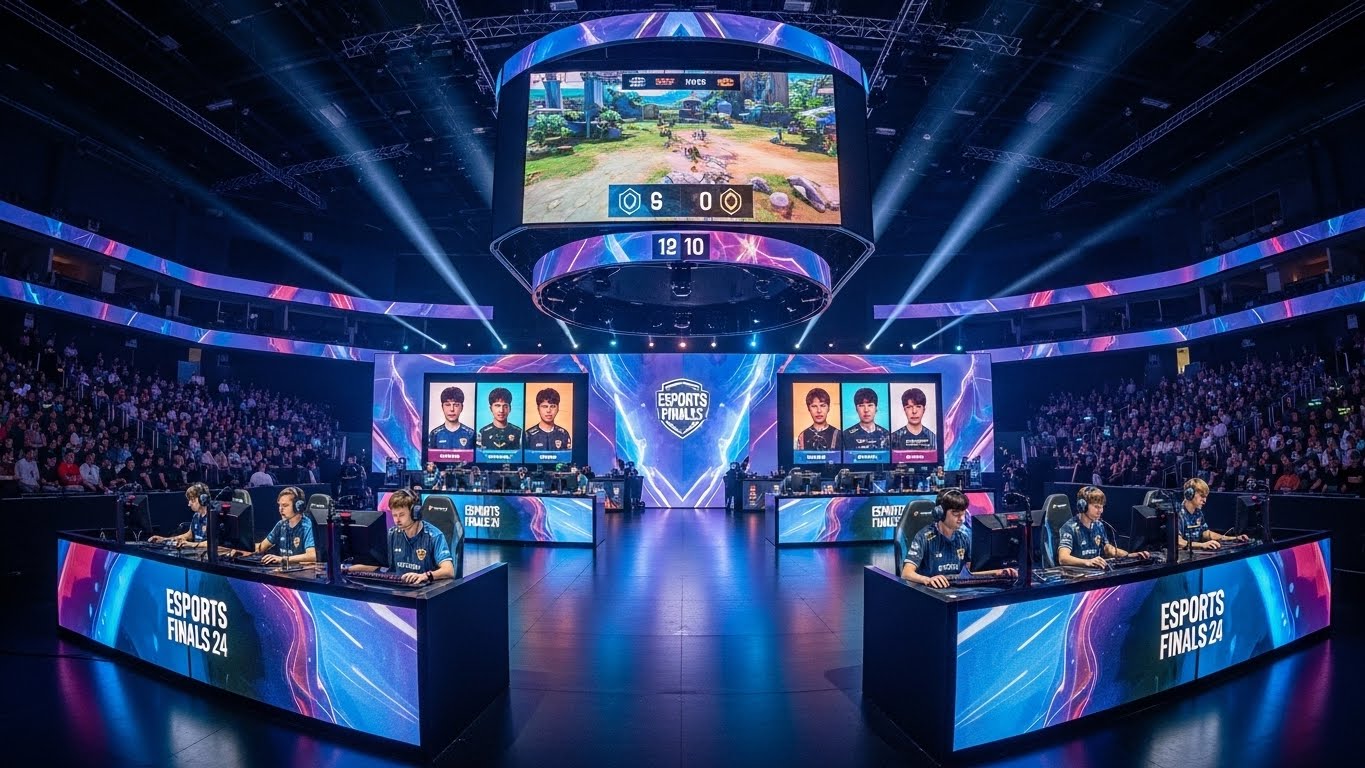
The Rise of Esports: Redefining Competitive Entertainment in the Digital Age
Introduction: A New Frontier in Sports
In the past two decades, the concept of sports has expanded beyond the traditional arenas of football, basketball, and cricket. A new form of competition has emerged, captivating millions worldwide: esports. Short for electronic sports, esports involves organized, multiplayer video game competitions, often played professionally. What began as casual gaming among friends has transformed into a global phenomenon with professional leagues, lucrative sponsorships, and fan bases rivaling those of conventional sports. The rise of esports is more than a cultural shift—it represents a profound change in how people perceive competition, entertainment, and technology in society.
The Origins of Esports
The seeds of esports were planted in the 1970s and 1980s, during the early days of arcade and computer gaming. Early competitions were modest, often organized in arcades or local clubs. In 1972, the first known video game competition, held at Stanford University for the game Spacewar, drew a small but enthusiastic crowd. Fast forward to the 1990s, and the popularity of games like StarCraft, Counter-Strike, and Quake propelled competitive gaming into the public eye. These games offered complex mechanics and strategic depth that attracted dedicated players willing to spend hours mastering their craft. With the advent of high-speed internet and online multiplayer gaming in the early 2000s, esports began to take shape as a viable industry.
The Evolution of Esports: From Hobby to Profession
Initially, competitive gaming was perceived as a hobby or niche subculture. However, as technology advanced and audiences grew, esports started to evolve into a professional endeavor. Professional teams emerged, often sponsored by gaming companies or tech brands. Players began earning salaries, prize money, and endorsements. Major tournaments started offering prize pools exceeding millions of dollars, attracting global attention. Titles such as League of Legends, Dota 2, and Fortnite became household names, and esports events began to fill stadiums, much like traditional sports. Today, professional esports players train rigorously, following strict schedules that resemble the regimen of athletes in traditional sports.
The Role of Technology in Esports Growth
Technology has been the backbone of esports’ meteoric rise. High-speed internet, advanced graphics processing, and powerful gaming hardware have made competitive gaming accessible to millions. Streaming platforms have played a crucial role, enabling fans to watch live matches from anywhere in the world. These platforms have also created opportunities for players and teams to monetize their content, whether through subscriptions, donations, or sponsorship deals. Moreover, technology has enhanced the spectator experience, with high-quality visuals, real-time statistics, and interactive features that engage audiences in ways traditional sports cannot match. The symbiotic relationship between esports and technology ensures that the industry continues to evolve at a rapid pace.
Diversity in Esports: Games, Players, and Audiences
Esports is unique in its diversity. Unlike traditional sports, which are often limited by physical ability, esports is accessible to a wide range of individuals regardless of age, gender, or geographic location. There are competitive games for nearly every interest—from first-person shooters to strategy games, fighting games to sports simulations. This diversity attracts a varied audience, including casual viewers, hardcore gamers, and even families. Esports also fosters inclusivity, with initiatives promoting gender equality and accessibility. While there are still challenges, such as underrepresentation in certain games or regions, the industry is gradually becoming more welcoming to all types of participants.
The Economic Impact of Esports
Esports is not just a cultural phenomenon; it is a booming industry with significant economic implications. Revenue streams include sponsorships, advertising, media rights, merchandise sales, and tournament prize pools. Major brands, from energy drinks to tech companies, invest heavily in esports marketing due to its young, engaged audience. Additionally, the esports ecosystem generates jobs across multiple sectors, including game development, event management, content creation, and marketing. Analysts predict that the global esports market will continue to grow at a double-digit rate, making it one of the most lucrative entertainment sectors in the digital era. This growth demonstrates that esports is not a passing trend but a sustainable industry with long-term potential.
The Cultural Influence of Esports
Esports has transformed not only the gaming community but also mainstream culture. Celebrities, influencers, and professional athletes are increasingly engaging with esports, either as players, investors, or promoters. Esports stars are gaining recognition similar to traditional sports icons, commanding massive followings on social media. Moreover, esports has inspired a new generation of gamers, encouraging interest in STEM fields, creative design, and media production. The culture surrounding esports emphasizes teamwork, strategic thinking, and adaptability—skills that are highly relevant in today’s digital world. It is no longer just about playing games; esports is shaping how people interact with technology and entertainment.
Challenges Facing the Esports Industry
Despite its growth, esports faces several challenges. One significant issue is the physical and mental well-being of players. Long hours of practice, high-pressure competition, and public scrutiny can lead to burnout, stress, and health problems. The industry also struggles with regulation and standardization, as rules, contracts, and player rights vary widely across games and regions. Additionally, controversies related to cheating, doping, and harassment have occasionally tarnished the reputation of esports. Addressing these challenges is critical for ensuring the sustainability and credibility of the industry. As esports matures, establishing clear guidelines, ethical standards, and support systems for players will be essential.
The Future of Esports
The future of esports looks promising and dynamic. With advancements in virtual reality, augmented reality, and artificial intelligence, the possibilities for immersive and interactive gaming experiences are expanding. Esports may also become a more integrated part of mainstream sports and entertainment, with collaborations between traditional sports leagues and gaming franchises. Education is another emerging area, with universities offering scholarships, courses, and degree programs related to esports management and game design. Furthermore, esports has the potential to foster global connections, bringing together diverse communities and bridging cultural gaps through shared competitive experiences. As technology and creativity continue to evolve, esports is likely to redefine entertainment for decades to come.
Conclusion: Embracing the Digital Arena
Esports represents a revolutionary shift in how we perceive competition, entertainment, and culture. From humble beginnings in arcades to billion-dollar tournaments watched by millions, esports has proven that skill, strategy, and teamwork can transcend physical boundaries. It challenges traditional notions of sports while offering new opportunities for economic growth, technological innovation, and cultural exchange. As the industry continues to expand, it is important to recognize not just the games themselves but the communities, players, and technologies that drive this digital revolution. Esports is no longer the future—it is the present, redefining the landscape of competitive entertainment in ways previously unimaginable.


