The Digital Arena: How Esports Became a Global Sporting Powerhouse
Introduction
Esports, once viewed as a niche hobby for dedicated gamers, has evolved into a worldwide phenomenon that rivals traditional sports in popularity, revenue, and cultural influence. What began in small gaming cafés and local tournaments has now grown into grand stages filled with roaring crowds, professional athletes, million-dollar sponsorships, and televised global championships. This transformation represents more than just the rise of competitive gaming; it reflects a shift in entertainment, technology, youth culture, and the way the world defines sports. In this blog, we will explore the history of esports, its rapid growth, the lives of professional players, the industry surrounding it, and what the future may hold.
The Humble Origins of Competitive Gaming
Esports did not suddenly appear big and glamorous. Its roots stretch back to the early arcade era when players would compete for high scores on games like Space Invaders or Pac-Man. These competitions were small, often informal gatherings, and the idea of gaming as a legitimate sport was far from mainstream.
The true foundation of esports began in the 1990s and early 2000s, when advancements in internet connectivity allowed players to battle each other from around the world. Games such as StarCraft, Counter-Strike, and Quake became the cornerstones of early competitive gaming communities. South Korea, in particular, became the global leader, treating esports like a national pastime and creating professional leagues long before other countries caught on. What seemed like a simple entertainment medium was turning into a serious competitive platform.
The Era of Big Titles and Bigger Audiences
The 2010s marked the golden age of esports expansion. This period saw the rise of games specifically designed with competitive structures in mind. Titles like League of Legends, Dota 2, and Overwatch built massive international communities and organized professional competitive scenes supported by multi-million-dollar prize pools.
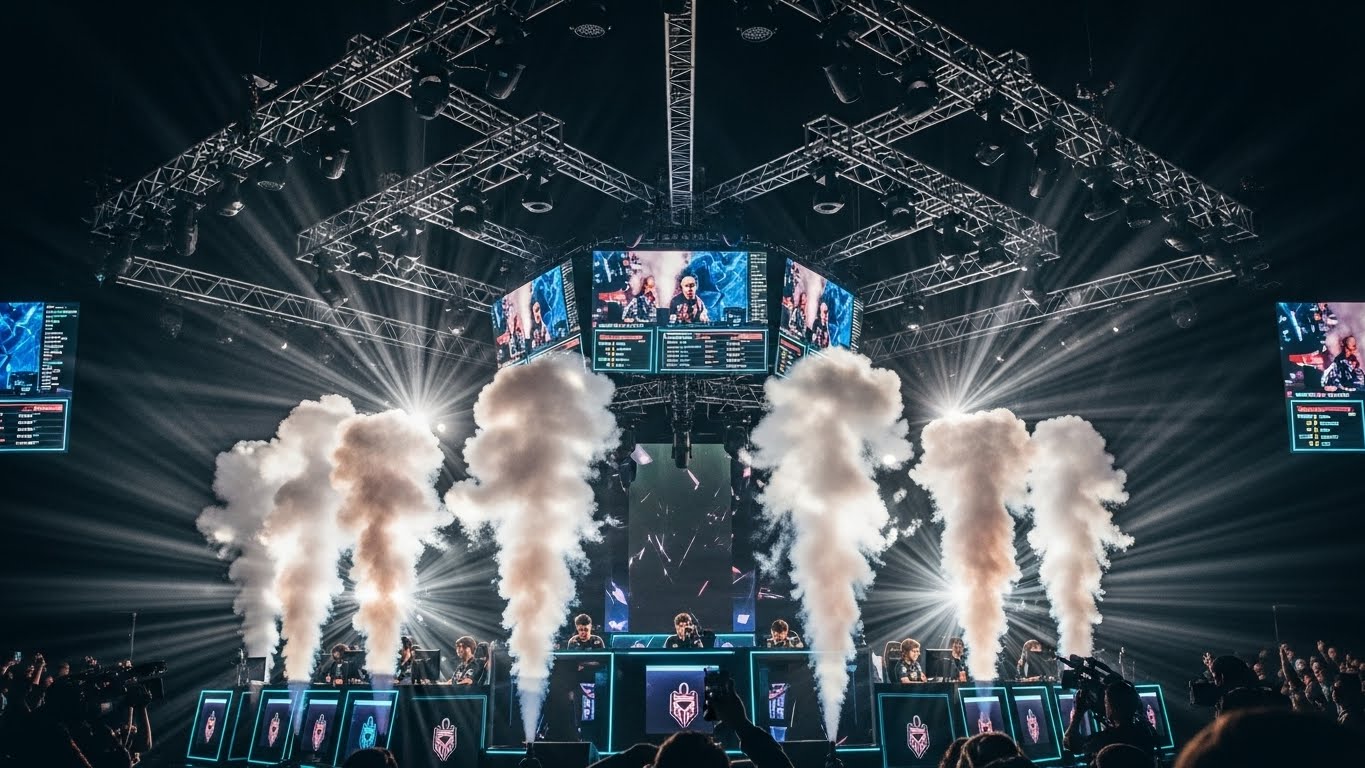
Audience numbers exploded as streaming services emerged, making it easy for anyone to tune into live tournaments. Millions of fans began watching professional gamers compete with precision, strategy, and teamwork that rival traditional athletic competitions. What once happened in small convention centers now takes place in massive stadiums filled with fans waving team banners and wearing player jerseys.
Esports events today consistently draw millions of viewers online, with championship events reaching viewership levels similar to major traditional sports finals. With video streaming platforms offering accessibility and global reach, esports became an entertainment juggernaut.
The Rise of the Professional Esports Athlete
The concept of a professional gamer once seemed unusual, but today esports athletes undergo training regimens that mirror those of traditional athletes. Professional players practice for long hours, analyze game strategies, work with coaches, and even receive physical and mental conditioning support.
Many esports organizations provide players with dedicated training facilities equipped with gaming stations, gyms, nutrition programs, and performance analysts. Teams study their opponents, refine their strategies, and drill mechanics just as a football or basketball team would.
However, despite the glamorous image, the life of an esports athlete can be demanding. Long training hours, constant pressure to perform, and short career spans make it a highly competitive and challenging field. As the industry matures, player health, well-being, and career sustainability have become key topics of discussion.
The Business Behind the Screens
Esports is not only about the players; it is a massive business ecosystem involving publishers, teams, sponsors, event organizers, and media companies. Game developers invest heavily in tournament infrastructure because strong esports scenes bring longevity and visibility to their games.
Sponsorships form a huge part of the revenue stream, with brands ranging from tech giants to soft drink companies supporting teams, events, and players. Esports merchandise, in-game purchases linked to teams and events, and media rights deals contribute to a rapidly growing global market.
Universities and colleges have also embraced esports, offering scholarships, building competitive teams, and integrating gaming into academic programs. This professionalization further legitimizes esports as a sustainable career path and enriches the industry with new talent.
Communities and Cultures within Esports
One of the most fascinating aspects of esports is the diverse cultural community it brings together. Fans from across the globe share a passion for their favorite games and teams. Competitive gaming has created its own culture of memes, traditions, chants, and fan art.
Online platforms allow fans to interact directly with players, creating a sense of closeness rarely seen in other sports. This strong community engagement contributes significantly to the industry’s growth. Whether cheering for a nail-biting match or discussing strategies online, the esports community thrives on shared passion and excitement.
Esports also empowers players by valuing skill, strategy, and teamwork over physical attributes. This inclusivity allows people from different backgrounds, ages, and cultures to compete on equal footing.
The Technology Driving Esports Forward
Esports thrives on innovation. Advances in high-performance hardware, internet speeds, and broadcasting technology have helped shape the industry. Game developers continuously update titles to enhance balance and competitiveness. Streaming platforms provide real-time interaction through chat features and live commentary.
Virtual reality, augmented reality, and improved graphics have the potential to take esports to new heights. With arenas incorporating immersive screens, sound design, and interactive features, watching esports becomes a captivating experience both online and in person.
Artificial intelligence is also emerging as a training tool, helping players analyze strategies and refine their gameplay. The future of esports technology promises to push boundaries and blend the digital and physical worlds more seamlessly than ever.
The Global Impact of Esports
The influence of esports extends beyond entertainment. It has become a driver of innovation, education, and even diplomacy. Some countries have recognized esports as an official sport, opening doors for international competitions and formal regulations.
Esports tournaments stimulate local economies by attracting travelers, tourists, and businesses. The industry also creates opportunities in content creation, game development, shoutcasting, marketing, and event management, offering career paths far beyond playing the games themselves.
In education, esports programs help students develop teamwork, problem-solving, communication, and strategic thinking skills. These skills extend beyond the digital arena and apply to real-world careers.
Challenges Facing the Esports Industry
Despite its success, esports faces several challenges. Maintaining player well-being, ensuring fair competition, balancing game updates, and creating stable league structures are ongoing concerns. Match-fixing, cheating, and online harassment are areas that require strong regulations and oversight.
Diverse representation is another important area of improvement. While esports is open to all, the industry still struggles with barriers that prevent equal participation. Creating inclusive communities and opportunities is essential for long-term growth.
The Future of Esports
The future of esports shines bright. With the rise of mobile gaming, expanded internet access, and growing mainstream acceptance, esports could soon become one of the most influential entertainment industries in the world.
We may see more schools integrating esports into their curriculum, more international tournaments gaining recognition, and new genres of competitive gaming emerging. The blending of virtual and physical sporting events may also create hybrid sports experiences that redefine how competitions are viewed.
As technology evolves, esports will continue to push boundaries and inspire future generations of gamers, creators, and fans.
Conclusion
Esports has come a long way from dimly lit gaming rooms to massive international arenas. It represents a cultural revolution powered by passion, technology, and community. With dedicated athletes, thriving fanbases, and expanding business opportunities, esports is not just the future of gaming; it is the future of global entertainment.


