The Rise of Esports: Redefining Competition in the Digital Era
In the last two decades, esports has transformed from a niche hobby into a global phenomenon. What began as casual video game competitions among friends has evolved into a multi-billion-dollar industry, attracting millions of viewers and professional players worldwide. Esports represents a unique blend of technology, skill, strategy, and entertainment, redefining what it means to compete and excel in the modern world. In this blog, we will explore the growth of esports, its benefits, challenges, societal impact, and future potential.
The Evolution of Esports
Esports, short for electronic sports, traces its roots back to the 1970s and 1980s, when video games first became popular. Early competitions were often small-scale, local events in arcades or college campuses. One of the first recognized gaming competitions took place in 1980 with the Space Invaders Championship in the United States, drawing thousands of participants.
As technology advanced, games became more sophisticated, multiplayer modes gained popularity, and online connectivity allowed players from different regions to compete against one another. Titles such as StarCraft, Counter-Strike, and League of Legends helped lay the foundation for competitive gaming as a professional endeavor. Today, esports tournaments attract massive audiences, with prize pools rivaling traditional sports, and professional players earning sponsorships and global recognition.
Types of Esports Competitions
Esports competitions can be divided into several categories based on game genre. Multiplayer Online Battle Arena games, or MOBAs, like Dota 2 and League of Legends, emphasize teamwork, strategy, and coordination. First-Person Shooter games, such as Counter-Strike: Global Offensive and Call of Duty, focus on reflexes, precision, and tactical decision-making. Real-Time Strategy games, sports simulation games, and fighting games like Street Fighter also have dedicated competitive scenes.
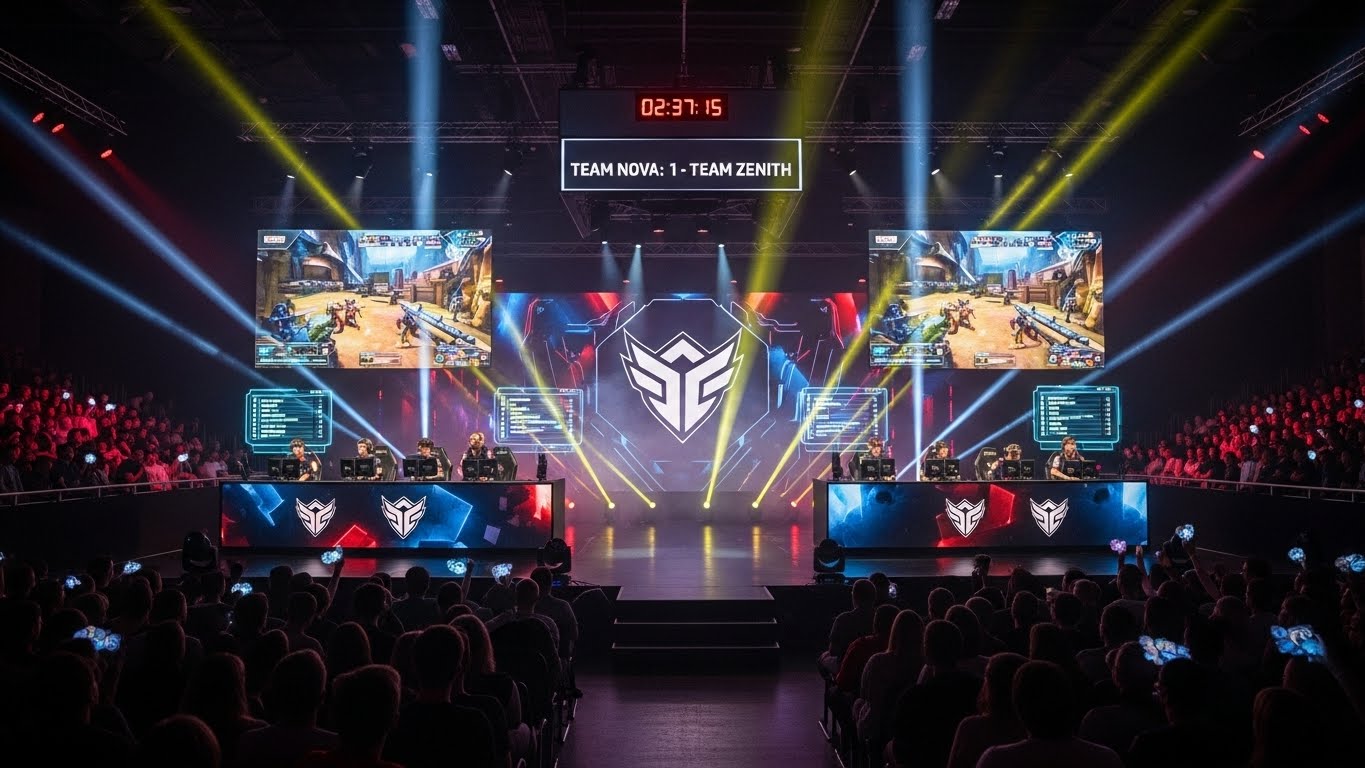
Esports events can occur online or in live arenas, often drawing tens of thousands of spectators. Major tournaments are broadcast on streaming platforms, allowing millions of viewers to watch gameplay in real time. Unlike traditional sports, esports competitions can transcend geographical boundaries instantly, making them accessible to a global audience.
The Physical and Mental Demands of Esports
While esports may appear less physically demanding than traditional sports, the reality is far more complex. Professional players train rigorously for hours each day, honing hand-eye coordination, reflexes, and strategic thinking. Maintaining peak performance requires physical fitness, proper nutrition, and regular exercise to prevent repetitive strain injuries, eye fatigue, and posture-related issues.
Mentally, esports is highly demanding. Players must make split-second decisions under pressure, anticipate opponents’ moves, and adapt strategies in real time. This requires focus, memory, and critical thinking. The high-stakes environment of tournaments also demands emotional resilience, as players navigate victories, defeats, and public scrutiny. In this sense, esports athletes face both physical and psychological challenges akin to those in traditional sports.
The Social Impact of Esports
Esports has created vibrant communities that span continents. Fans and players interact through online platforms, forums, and social media, forming connections based on shared interests. Local gaming clubs, collegiate esports programs, and professional teams provide avenues for collaboration, mentorship, and career growth.
Furthermore, esports has fostered inclusivity by welcoming participants from diverse backgrounds, genders, and cultures. Unlike some traditional sports, esports emphasizes skill and strategy over physical attributes, allowing a broader range of individuals to compete at the highest level. Communities centered around esports often encourage teamwork, communication, and mutual support, building social skills that extend beyond gaming.
Career Opportunities in Esports
The esports ecosystem offers a wide array of career opportunities beyond being a professional player. Coaches, analysts, event organizers, commentators, and content creators play crucial roles in the industry. Game developers and designers also benefit from the esports boom, as competitive gaming influences game development and updates.
Sponsorships and endorsements are another significant aspect. Professional players often secure contracts with brands, streaming platforms, and merchandise companies. Streaming content, particularly on platforms like Twitch, allows players to connect with fans while generating income. The rise of esports scholarships and collegiate programs further underscores the legitimacy and sustainability of esports as a career path.
Health Considerations and Challenges
Despite its rapid growth, esports faces unique challenges. Long hours of training and competition can lead to physical strain, mental burnout, and social isolation. Many professional players experience stress due to high expectations and intense competition. To mitigate these issues, organizations now emphasize mental health support, structured schedules, and physical wellness programs.
Additionally, the sedentary nature of gaming necessitates awareness of posture, eye care, and regular exercise. Balancing training with healthy lifestyle habits is essential for longevity in the esports career. The industry is gradually recognizing the importance of a holistic approach, combining mental, physical, and strategic preparation for peak performance.
The Role of Technology in Esports
Technology is at the core of esports. High-speed internet, advanced graphics, responsive gaming peripherals, and real-time analytics allow players to perform at the highest level. Streaming platforms enable global audiences to watch competitions live, fostering real-time engagement and interaction.
Artificial intelligence and machine learning are also shaping the future of esports. AI-driven analytics provide insights into player performance, optimize strategies, and enhance training. Virtual reality and augmented reality technologies are expanding possibilities for immersive competitions, while data-driven coaching tools help refine skills with unprecedented precision.
Esports and Education
Educational institutions are increasingly integrating esports into their programs. Universities and colleges offer esports scholarships, academic courses in game design, and competitive team participation. Esports encourages critical thinking, teamwork, and strategic planning, making it a valuable complement to traditional education.
Students involved in esports gain skills in communication, leadership, and problem-solving. Additionally, esports programs foster networking opportunities and career development, bridging the gap between academic learning and professional gaming. The educational potential of esports highlights its evolving role as a legitimate and respected field.
Globalization and Cultural Influence
Esports has become a truly global phenomenon. Major tournaments draw participants and audiences from every continent, creating cultural exchange through shared gaming experiences. Games developed in one country often achieve popularity worldwide, and international competitions showcase the best talent from diverse regions.
Culturally, esports has influenced entertainment, fashion, and media. Professional players become celebrities, and popular games inspire music, merchandise, and online content. Esports has not only created a global community of players and fans but also established itself as a significant cultural force with lasting impact.
Women in Esports
Historically, esports was male-dominated, but women are increasingly breaking barriers. Female players, streamers, and organizers are gaining recognition, challenging stereotypes, and inspiring the next generation. Initiatives promoting diversity and inclusivity have helped create spaces for women to thrive competitively.
The rise of women in esports demonstrates the industry’s capacity for change and progress. By emphasizing skill over gender, esports encourages equal opportunities and celebrates talent in all forms. This shift contributes to a more balanced, dynamic, and sustainable esports ecosystem.
The Future of Esports
The future of esports is bright and dynamic. Emerging technologies, global connectivity, and growing investment will continue to expand the industry. Esports may further merge with virtual reality, augmented reality, and artificial intelligence, creating unprecedented gaming experiences.
The professionalization of esports will continue, with more structured leagues, standardized training programs, and improved player welfare. Esports may also increasingly integrate with traditional sports, media, and entertainment, blurring boundaries and attracting new audiences. Despite challenges, esports is poised to become an enduring and influential part of global culture.
Conclusion: Esports as a New Era of Competition
Esports is more than just playing video games; it represents a new era of competition, innovation, and social connection. It challenges traditional notions of athleticism, creating opportunities for millions to engage in skillful, strategic, and thrilling contests. From fostering personal growth to inspiring global communities, esports continues to redefine what it means to compete in the digital age.
As technology evolves and audiences grow, esports will maintain its position as a cultural and professional powerhouse. The rise of esports proves that competition, passion, and teamwork can thrive in the digital realm just as strongly as they do on the traditional playing field.


