Esports Revolution: Redefining Competition in the Digital Age
Introduction
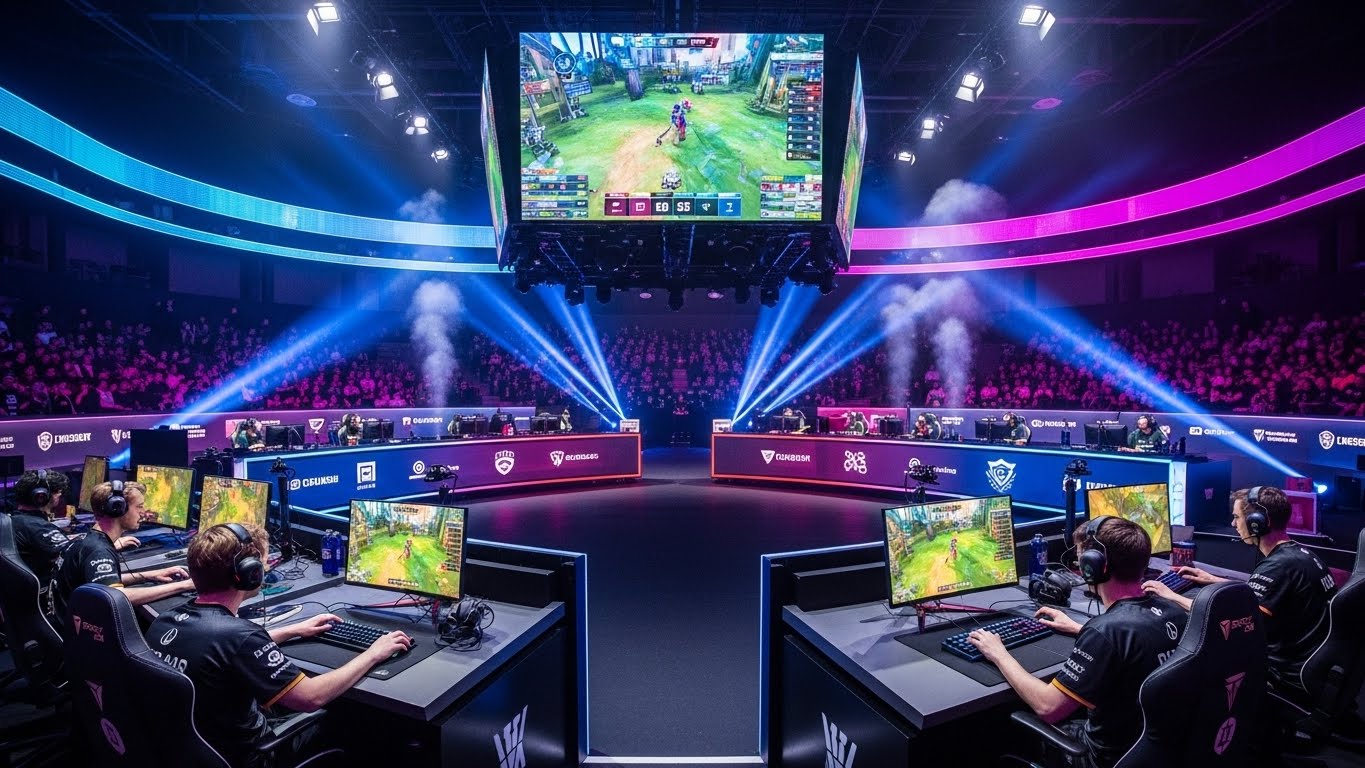
Esports, once considered a niche pastime, has rapidly evolved into a global phenomenon, reshaping the landscape of competitive entertainment. With the rise of online streaming platforms, professional gaming leagues, and international tournaments, esports has transcended traditional gaming to become a legitimate career path and cultural force. This revolution is not merely about playing video games; it represents innovation, community, and the blending of technology with human skill. In this blog, we explore the evolution of esports, its societal impact, the professional ecosystem, and its future in the digital age.
The Origins of Esports
The roots of esports trace back to the late 20th century when competitive gaming began gaining attention. Early arcade competitions, home console tournaments, and local LAN parties laid the foundation for organized gaming. Titles such as “Space Invaders,” “Pac-Man,” and “Street Fighter” became staples of early competitions, igniting enthusiasm among players. By the 1990s, games like “StarCraft” and “Counter-Strike” introduced strategy and teamwork as central elements, attracting larger audiences. South Korea emerged as a pioneer in professional gaming, institutionalizing esports with televised matches and dedicated gaming leagues. These early developments established esports as a viable competitive arena and a platform for cultivating talent.
Global Growth and Popularity
Esports’ growth over the past two decades has been exponential. With the proliferation of high-speed internet and streaming platforms, audiences can now watch tournaments from anywhere in the world. Major titles such as “League of Legends,” “Dota 2,” “Fortnite,” and “Call of Duty” have cultivated massive fan bases, with millions tuning in for championship events. International tournaments now offer multimillion-dollar prize pools, rivaling traditional sports in terms of both excitement and financial reward. The cultural impact of esports extends beyond gaming, influencing fashion, media, and entertainment. Celebrities and athletes increasingly endorse gaming events, further cementing esports as a mainstream phenomenon.
Esports as a Professional Career
Esports is no longer just a hobby; it has become a legitimate career path for many talented individuals. Professional players dedicate countless hours to practice, honing reflexes, strategies, and teamwork skills. Similar to traditional athletes, esports professionals follow rigorous training regimens, often focusing on mental acuity, physical health, and nutrition. Coaching, analysis, and scouting have become integral to esports teams, highlighting the sophistication of the professional ecosystem. Additionally, careers in esports extend beyond playing, encompassing roles in event management, marketing, content creation, commentary, and software development. This broad spectrum of opportunities has created an entirely new industry, providing livelihoods for millions globally.
Psychological and Cognitive Benefits
Competitive gaming challenges not only physical dexterity but also cognitive abilities. Esports players develop exceptional problem-solving skills, strategic thinking, multitasking abilities, and rapid decision-making capabilities. Games that require teamwork enhance communication and leadership skills, while high-pressure tournaments build resilience and stress management techniques. Even casual gamers can benefit from improved hand-eye coordination, memory, and focus. While esports often faces criticism for promoting sedentary behavior, structured training regimens and professional coaching address these concerns, demonstrating that gaming can be mentally enriching when approached responsibly.
The Role of Technology in Esports
Technology is the backbone of esports. Advances in computing power, graphics, and network infrastructure have made large-scale online competitions feasible. Streaming platforms allow real-time broadcasting to millions of viewers, while analytics software provides detailed insights into performance and strategy. Virtual reality and augmented reality technologies are beginning to influence the gaming experience, creating immersive environments that redefine interaction. Hardware innovations, such as high-refresh-rate monitors, ergonomic controllers, and specialized peripherals, optimize performance. The symbiotic relationship between technology and esports ensures that the field remains dynamic, constantly pushing the limits of what is possible in competitive entertainment.
Community and Cultural Impact
Esports has fostered vibrant global communities. Online forums, social media, and streaming platforms enable fans to connect, share experiences, and engage with players. Esports communities transcend geographical and cultural boundaries, creating inclusive spaces where individuals unite over shared interests. Major tournaments and events are cultural spectacles, drawing massive live audiences and generating substantial media coverage. Cosplay, fan art, and content creation further enrich the cultural ecosystem, demonstrating that esports is not merely about competition but also about shared creativity and identity. This cultural impact is evident in educational initiatives, where universities now offer esports scholarships and programs to cultivate talent and research in the field.
Economic Significance of Esports
The economic footprint of esports is substantial and growing. Professional tournaments generate significant revenue through sponsorships, advertising, merchandise, and ticket sales. Companies invest in esports marketing to reach younger, tech-savvy audiences, while streaming platforms monetize through subscriptions and virtual gifts. Esports events stimulate related industries, including technology manufacturing, event management, and media production. As the sector expands, it attracts venture capital and corporate partnerships, further driving innovation and global reach. The economic potential of esports highlights its status as a sustainable and lucrative industry.
Challenges and Criticisms
Despite its rapid growth, esports faces several challenges. The industry must address issues related to mental health, burnout, and physical strain, as professional players often endure long hours of practice and high-stress competition. Regulatory concerns, including fair play, doping, and match-fixing, require oversight to maintain integrity. Additionally, social stigma surrounding gaming persists in certain cultures, hindering acceptance of esports as a legitimate career. Gender representation is another ongoing issue, with female gamers often facing discrimination and limited opportunities. Addressing these challenges is essential for ensuring the long-term sustainability and inclusivity of esports.
The Future of Esports
The future of esports is poised for continued growth and innovation. Emerging technologies like virtual reality, cloud gaming, and artificial intelligence are expected to redefine gameplay and audience engagement. Educational programs and professional academies will nurture the next generation of talent, while expanding accessibility initiatives ensure wider participation. Esports may increasingly merge with traditional sports, creating hybrid experiences that appeal to diverse audiences. Furthermore, as society recognizes the cognitive, cultural, and economic benefits of esports, it is likely to gain further legitimacy and mainstream acceptance. The trajectory of esports indicates that its influence will continue to expand, shaping the way we compete, entertain, and connect in the digital era.
Conclusion
Esports has transformed from a niche hobby into a global phenomenon, redefining the nature of competition in the digital age. It is more than just gaming; it is a professional career, a cultural movement, and a technological frontier. Esports fosters community, enhances cognitive abilities, generates economic opportunities, and challenges traditional perceptions of sports and entertainment. While it faces challenges related to mental health, regulation, and inclusivity, its growth trajectory remains strong. As technology and creativity continue to converge, esports will solidify its role as a defining element of 21st-century culture, inspiring a new generation of players and fans worldwide. In essence, esports exemplifies the power of human ingenuity, competition, and connection in a rapidly evolving digital landscape.


