Rise of the Digital Arena: How Esports Redefined Competition and Entertainment
Introduction
Esports has emerged as one of the most powerful forces in modern entertainment, transforming video games into a global competitive phenomenon. What was once considered a casual hobby has evolved into a professional industry with structured leagues, international tournaments, and millions of dedicated fans. Esports represents more than gaming; it is a blend of strategy, teamwork, technology, and mental endurance. In a world driven by digital innovation, esports stands as a symbol of how competition adapts and thrives in the modern age.
The Origins of Esports
The roots of esports stretch back to the early days of video gaming when players competed for high scores in arcades and small local events. These early competitions were informal but fueled by passion and rivalry. As home computers and consoles became more powerful, multiplayer gaming grew in popularity. The introduction of online connectivity allowed players from different regions to compete in real time, laying the foundation for organized competitive gaming. Over time, tournaments became larger, prize pools increased, and esports began its journey from underground culture to mainstream recognition.
The Structure of the Esports Industry
Esports operates within a highly organized and professional structure. Players form teams that are supported by coaches, analysts, managers, and support staff. These teams compete in leagues and tournaments governed by established rules and schedules. Game publishers play a crucial role by maintaining competitive balance and supporting events. Tournament organizers handle logistics, broadcasting, and audience engagement. Fans complete the ecosystem through viewership, merchandise support, and community participation. This structure ensures that esports functions as a sustainable and competitive global industry.
Games That Define Esports
Esports spans a wide variety of game genres, each offering unique challenges and skills. Multiplayer online battle games emphasize strategy, teamwork, and map control. First-person shooters focus on precision, reaction speed, and tactical coordination. Strategy games reward long-term planning and adaptability, while sports simulation games recreate traditional athletics in a digital environment. This diversity allows esports to appeal to different personalities and talents, ensuring that the industry remains dynamic and inclusive.
Skills Required to Succeed in Esports
Professional esports players must master a combination of physical and mental skills. Fast reflexes, hand-eye coordination, and precise control are essential for high-level gameplay. Equally important are strategic thinking, adaptability, and decision-making under pressure. Team-based games require strong communication and trust among teammates. Mental resilience is critical, as players face intense competition, long practice hours, and public scrutiny. Esports proves that competitive excellence is not limited to physical strength but also relies on intelligence and emotional control.
Training and Discipline in Esports
Behind every successful esports player is a rigorous training routine. Professional players practice for several hours each day, focusing on mechanics, strategies, and teamwork. Reviewing gameplay footage helps identify weaknesses and improve performance. Physical fitness is increasingly emphasized, as posture, endurance, and overall health impact reaction time and focus. Mental conditioning helps players manage stress and maintain consistency during high-pressure matches. This disciplined approach highlights the professionalism and commitment required to compete at the highest level.
Esports as a Global Spectator Experience
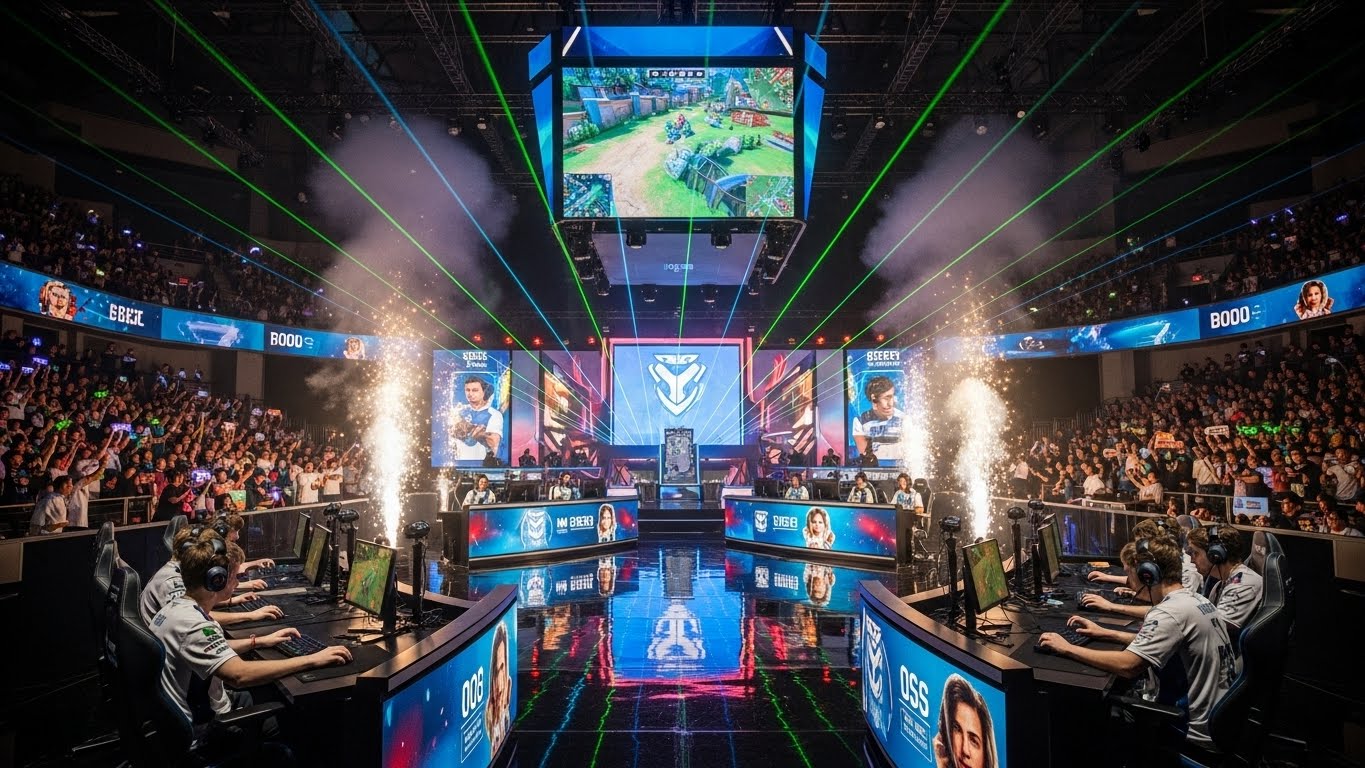
Esports has become a major form of entertainment for audiences worldwide. Live tournaments attract millions of viewers who follow their favorite teams and players with enthusiasm. Professional commentary, in-depth analysis, and high-quality production make esports events engaging and immersive. Fans participate through online discussions, fan art, and community events. The global accessibility of esports allows people from different cultures to share the excitement of competition, making it one of the most inclusive spectator experiences in modern entertainment.
Community and Social Connection
Esports thrives on community interaction. Players and fans connect through online platforms, forums, and live events. These communities foster collaboration, mentorship, and shared passion. Many players find lifelong friendships through gaming, while fans bond over shared victories and defeats. Esports communities often transcend geographic and cultural boundaries, creating a sense of belonging in a digital world. This social dimension challenges the misconception that gaming is isolating, proving instead that it is deeply communal.
Economic Impact of Esports
The financial growth of esports has been remarkable. Revenue streams include sponsorships, advertising, merchandise, ticket sales, and media rights. Professional players earn income through salaries, prize winnings, and personal branding. The industry has created careers in coaching, event management, broadcasting, content creation, and analytics. Cities hosting major tournaments benefit from tourism and infrastructure investment. Esports demonstrates how digital competition can drive economic development on a global scale.
Esports and Education
Esports has found a place within educational institutions. Schools and universities now offer esports programs that combine academics with competitive gaming. These programs teach teamwork, leadership, and time management while providing opportunities for scholarships. Students involved in esports often develop technical skills, strategic thinking, and communication abilities that are valuable beyond gaming. Esports also encourages interest in technology-related fields such as game design, programming, and digital media, bridging education and innovation.
Mental Health and Player Well-Being
Mental health is an important topic within esports. The pressure to perform, long practice hours, and public expectations can lead to stress and burnout. Many teams now prioritize player well-being by providing mental health support, balanced schedules, and physical fitness programs. Open discussions about mental health help reduce stigma and promote healthier competitive environments. Supporting players holistically ensures long-term success and sustainability within the industry.
Challenges Facing the Esports Industry
Despite its success, esports faces several challenges. Cheating, match-fixing, and inconsistent regulations can threaten competitive integrity. Online harassment and toxic behavior remain concerns within some communities. Accessibility issues, such as the cost of equipment and internet access, limit participation for certain groups. Addressing these challenges requires strong governance, ethical standards, and inclusive initiatives that promote fairness and respect across the industry.
Diversity and Inclusion in Esports
Diversity is essential for the continued growth of esports. Historically dominated by male players, the industry is working toward greater inclusion of women and underrepresented groups. Inclusive tournaments, mentorship programs, and supportive communities help create equal opportunities. A diverse esports environment brings fresh perspectives, enriches competition, and reflects the global nature of gaming. Promoting inclusion strengthens the industry and ensures that talent is recognized regardless of background.
Cultural Influence of Esports
Esports has become a significant cultural force. It influences fashion, music, language, and digital trends. Professional players and streamers are viewed as role models and influencers, shaping youth culture worldwide. Esports events foster national pride and international unity, showcasing cultural exchange through competition. This cultural impact highlights esports as more than entertainment; it is a reflection of modern digital identity and creativity.
Technology as the Foundation of Esports
Technology is the backbone of esports. High-performance hardware ensures precision and reliability, while advanced software supports matchmaking, broadcasting, and analytics. Data-driven insights help teams refine strategies and improve performance. Emerging technologies continue to enhance gameplay and viewer experiences. As technology evolves, esports adapts, ensuring that competition remains innovative and engaging.
The Future of Esports
The future of esports is filled with opportunity. Expanding global audiences, technological advancements, and growing institutional support point toward continued growth. New game titles and competitive formats will emerge, while educational and professional pathways will expand. Esports may further integrate with traditional sports and mainstream media, strengthening its cultural influence. As the digital world evolves, esports will remain a defining feature of modern competition.
Conclusion
Esports has redefined what it means to compete in the digital age. It blends skill, strategy, teamwork, and technology into a global phenomenon that captivates millions. Beyond entertainment, esports fosters community, drives economic growth, and inspires innovation. Its journey from casual gaming to professional competition reflects the power of passion and creativity in a connected world. As esports continues to evolve, it stands as a testament to the limitless potential of digital competition and the enduring human desire to challenge, connect, and excel.


