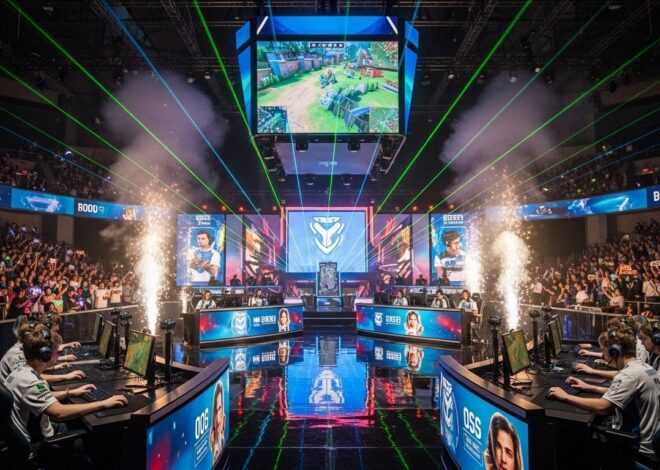
From Screens to Stadiums: The Rise of Esports as a Global Phenomenon
Introduction: A New Definition of Competition
Esports, short for electronic sports, has emerged as one of the most influential forms of modern competition. What once started as casual gaming among friends has evolved into a structured, professional industry with global tournaments, dedicated athletes, and millions of passionate fans. Esports challenges traditional ideas of sports by proving that competition does not require a physical field to inspire discipline, teamwork, and excellence. In today’s digital era, esports stands at the intersection of technology, entertainment, and athletic performance.
The Origins of Esports
The roots of esports stretch back to the early days of video gaming. In the late twentieth century, players gathered in arcades to compete for high scores, often attracting small crowds. As home consoles and personal computers became more accessible, competitive gaming moved into households and local communities. Multiplayer games introduced the idea of player-versus-player competition, laying the foundation for organized tournaments. The introduction of the internet transformed esports completely, allowing players from different countries to compete in real time and turning small competitions into global events.
The Growth of Competitive Gaming
As gaming technology advanced, competitive gaming gained legitimacy and structure. Early esports tournaments began offering prize money, attracting skilled players who dedicated significant time to mastering specific games. Teams were formed, strategies were refined, and competitions became more organized. Over time, esports leagues emerged with regular seasons, playoffs, and championship events. This structured growth helped esports gain recognition as a serious competitive discipline rather than a casual pastime.
Professional Esports Players
Professional esports players are highly trained competitors who dedicate their lives to their craft. Their daily routines often include hours of practice, strategy discussions, and performance analysis. Unlike casual gaming, professional play demands exceptional reflexes, decision-making skills, and mental focus. Players must adapt quickly to changing game dynamics and maintain consistency under intense pressure. Many esports athletes also work with coaches, analysts, and psychologists to improve both performance and well-being.
Esports Teams and Organizations
Esports teams function similarly to traditional sports franchises. Organizations recruit talented players, provide training facilities, and manage branding and sponsorships. Team chemistry plays a crucial role, as most esports titles rely heavily on coordination and communication. Successful teams invest in long-term development, nurturing young talent and refining strategies. These organizations contribute to the stability and professionalism of the esports ecosystem, helping it grow into a sustainable industry.
Popular Esports Genres
Esports encompasses a wide variety of game genres, each offering a unique competitive experience. Multiplayer online battle arena games emphasize teamwork, map control, and strategic planning. First-person shooter games focus on precision, reaction time, and tactical awareness. Real-time strategy games reward long-term planning and adaptability. Sports simulation games recreate traditional athletic experiences in a digital environment. This diversity ensures that esports appeals to a broad audience with different interests and skill sets.
The Esports Audience
One of the most remarkable aspects of esports is its audience. Millions of fans watch live tournaments, follow teams, and engage in discussions across digital platforms. Esports spectators are highly interactive, often participating in live chats and community events. The accessibility of esports allows fans to watch competitions from anywhere, creating a global community united by shared passion. This strong fan engagement has been a driving force behind the rapid growth of esports.
Esports and Technology
Technology is the backbone of esports. High-performance hardware, advanced graphics, and low-latency networks are essential for fair and competitive gameplay. Streaming technology has made it possible for fans to watch matches live and on demand, expanding esports’ reach beyond physical venues. Innovations such as data analytics, artificial intelligence, and virtual reality are beginning to influence how games are played and experienced, further enhancing the competitive environment.
Training and Mental Discipline
Esports requires more than fast reflexes. Mental discipline is a critical component of success. Players must maintain focus for long periods, make quick decisions, and manage stress effectively. Burnout is a common challenge due to intense practice schedules and competitive pressure. To address this, many teams emphasize balanced routines that include physical exercise, rest, and mental health support. This holistic approach reflects the growing maturity of the esports industry.
Esports as a Career Path
Esports has created new career opportunities beyond professional play. Coaches, analysts, commentators, event organizers, and content creators all play essential roles in the ecosystem. Game developers, marketing professionals, and technical specialists also contribute to the industry. Educational institutions are increasingly offering esports programs and scholarships, recognizing competitive gaming as a legitimate field of study and career development.
Cultural Impact of Esports
Esports has had a significant cultural impact, particularly among younger generations. It has reshaped how people view competition, teamwork, and entertainment. Esports events often blend gaming with music, fashion, and digital art, creating unique cultural experiences. The industry has also promoted inclusivity by connecting players and fans from diverse backgrounds. Through shared passion and collaboration, esports has become a powerful cultural force in the digital age.
Esports and Traditional Sports
The relationship between esports and traditional sports continues to evolve. While some see them as competitors, others view esports as a complementary form of entertainment. Traditional sports organizations have begun investing in esports teams and events, recognizing their appeal to younger audiences. Both forms of competition share core values such as dedication, strategy, and fair play, highlighting their similarities despite differences in format.
Challenges Facing Esports
Despite its success, esports faces several challenges. Player burnout, lack of standardized regulations, and concerns about fair play remain important issues. The rapid growth of the industry has sometimes outpaced the development of governance structures. Additionally, ensuring diversity and addressing toxic behavior within communities are ongoing priorities. Addressing these challenges is essential for maintaining the integrity and sustainability of esports.
Esports in Education
Educational institutions have started embracing esports as a tool for learning and engagement. Schools and universities offer esports clubs, competitive teams, and academic programs related to gaming and digital media. These initiatives help students develop valuable skills such as teamwork, leadership, communication, and strategic thinking. Esports in education also provides an inclusive space for students who may not participate in traditional athletics.
The Future of Esports
The future of esports appears promising. Advances in technology will likely make competitions more immersive and accessible. Increased recognition from mainstream media and institutions will further legitimize esports as a form of sport and entertainment. As the industry matures, greater emphasis on player welfare, ethical standards, and sustainable growth will shape its long-term success. Esports is poised to remain a defining element of modern digital culture.
Conclusion: A Digital Arena Redefined
Esports has transformed from a niche hobby into a global phenomenon that redefines competition in the digital age. Through skill, strategy, and innovation, it has created a new arena where players and fans connect across borders. Esports reflects the evolving relationship between technology and human ambition, proving that passion and excellence can thrive in virtual spaces. As it continues to grow, esports will shape not only the future of gaming but also the broader landscape of sports and entertainment.