The Unstoppable Spirit of Sports: How Competition Shapes Humanity
Introduction: The Heartbeat of Human Passion
Sports have been an integral part of human civilization since the dawn of time. They represent more than just physical activity; they embody emotion, culture, discipline, and unity. From the first Olympic Games in ancient Greece to the global tournaments of today, sports have inspired generations to push limits, achieve greatness, and work together for a common goal. Whether played on a dusty street corner or in a massive stadium filled with roaring fans, sports ignite a fire in the human spirit that never fades.
The Historical Roots of Sports
The love for sports dates back thousands of years. Ancient civilizations like Greece, Egypt, and China used athletic competitions as expressions of strength, honor, and divine favor. The Olympic Games, first held around 776 BC, were a symbol of peace and excellence, drawing participants from different city-states to compete fairly and proudly. In medieval times, tournaments such as jousting and archery showcased bravery and skill. Over centuries, sports evolved with the societies that played them, moving from small local gatherings to international spectacles watched by billions.
The Essence of Sportsmanship
At the core of every sport lies a value that goes beyond the scoreboard—sportsmanship. True sportsmanship is about respect, fairness, and integrity. It means playing by the rules, accepting victory with humility, and embracing defeat with grace. The best athletes are remembered not only for their victories but for their character. A handshake after a match or a kind gesture toward an injured opponent represents the soul of sports. These values inspire individuals in every walk of life, reminding us that real success is built on honesty and effort.
Physical Fitness and Mental Strength
Sports are one of the most effective ways to maintain a healthy lifestyle. Regular participation in sports improves cardiovascular health, strengthens muscles, enhances coordination, and boosts endurance. But sports are not only about physical fitness—they are also a powerful tool for mental development. The challenges faced during competition teach focus, resilience, and problem-solving. Athletes learn how to manage stress, stay calm under pressure, and adapt quickly to changing situations. The discipline gained through training shapes a person’s mindset, helping them succeed in all aspects of life.
Sports as a Universal Language
One of the most beautiful aspects of sports is their ability to transcend language, race, and culture. No matter where you go, a ball kicked, a bat swung, or a goal scored is understood universally. Sports bring together people from different backgrounds and create unity in diversity. Major international events like the Olympics and the World Cup show how millions of people can share a common passion despite differences. During moments of triumph or heartbreak, the world feels connected through the emotions that sports evoke.
The Role of Technology in Sports Evolution
In the modern era, technology has completely transformed sports. Training methods, equipment, and even refereeing have evolved with innovations. High-speed cameras, video assistant referees, and data analytics ensure fair play and accurate decisions. Athletes now use wearable devices to monitor heart rates, performance, and recovery. Fans enjoy instant replays, high-definition broadcasts, and virtual reality experiences that make them feel closer to the action. Technology has not only made sports more advanced but also more accessible and engaging for everyone around the world.
The Power of Teamwork in Sports
Team sports like football, basketball, and cricket teach one of life’s greatest lessons—the value of teamwork. Every successful team is built on trust, communication, and collective effort. Players learn to put the group’s goal above personal glory. They discover that victory is not achieved by individual brilliance alone but through unity and cooperation. The lessons of teamwork extend beyond the field, influencing workplaces, classrooms, and communities. Through sports, people realize that together, they can achieve what might be impossible alone.
Individual Excellence and Personal Achievement
While teamwork is essential, individual sports such as tennis, athletics, and swimming celebrate personal excellence. These athletes compete against others, but their greatest battle is often against themselves. The drive to improve, the hunger to break records, and the courage to face defeat are hallmarks of individual sports. They remind us that personal growth comes through consistent effort, focus, and resilience. Every medal won and record broken stands as a testament to human potential and dedication.
Women in Sports: Breaking Barriers and Inspiring Change
For centuries, women had limited opportunities in sports. However, history is filled with stories of women who broke barriers and changed perceptions. Icons like Serena Williams, Simone Biles, and Cathy Freeman have proven that talent knows no gender. Women’s participation in sports has inspired equality and empowerment, motivating young girls worldwide to chase their dreams. Today, women’s sports continue to gain recognition, audience, and respect, proving that passion and skill are not defined by gender but by determination.
Youth and the Future of Sports
The youth are the foundation of the future of sports. Encouraging children to participate in games from an early age builds discipline, confidence, and social skills. Sports teach young minds the importance of hard work, patience, and teamwork. School and community sports programs are essential for identifying talent and nurturing it into excellence. Beyond professional success, youth sports create responsible individuals who understand the values of fairness, respect, and perseverance. A strong sporting culture among the youth ensures a healthier and more united society in the future.
Sports and Society: Building Bridges and Breaking Walls
Sports have the power to heal divisions and promote peace. Throughout history, sporting events have brought nations together even during times of tension. The Olympic truce, for instance, symbolizes how competition can be a bridge to diplomacy and understanding. Sports promote inclusivity, diversity, and tolerance. Athletes become ambassadors of goodwill, using their platforms to advocate for positive social change. In a world often divided by politics and ideology, sports remain one of the few forces that can unite people under one flag—humanity.
The Economic Impact of Sports
Sports are not just games; they are a global industry worth billions. From ticket sales and sponsorships to tourism and merchandise, sports generate employment and revenue worldwide. Major tournaments stimulate local economies by attracting visitors and boosting businesses. Sports also drive innovation in design, broadcasting, and marketing. Athletes themselves have become brands, influencing trends and promoting products. This economic power of sports highlights how deeply it is woven into modern life—not just as entertainment but as an essential part of the global economy.
Ethics and Challenges in Modern Sports
Despite its many positives, the world of sports faces ethical challenges. Issues like doping, corruption, and match-fixing threaten the integrity of the game. The pressure to win at all costs has sometimes led athletes to compromise their values. Additionally, the commercialization of sports has shifted focus from passion to profit in some areas. Addressing these issues requires strict regulation, transparency, and moral responsibility. Sports must remain a celebration of human effort and fairness, not a pursuit distorted by greed or dishonesty.
Mental Health in Sports: The Hidden Battle
In recent years, athletes have started speaking openly about mental health. Behind the fame and success lies immense pressure, expectation, and scrutiny. Mental health struggles such as anxiety, depression, and burnout are real issues in the sporting world. Recognizing and addressing these challenges is crucial to ensuring that athletes remain not just strong performers but also healthy individuals. Open conversations about mental well-being have brought positive change, reminding everyone that strength includes both body and mind.
The Future of Sports: Innovation and Inclusion
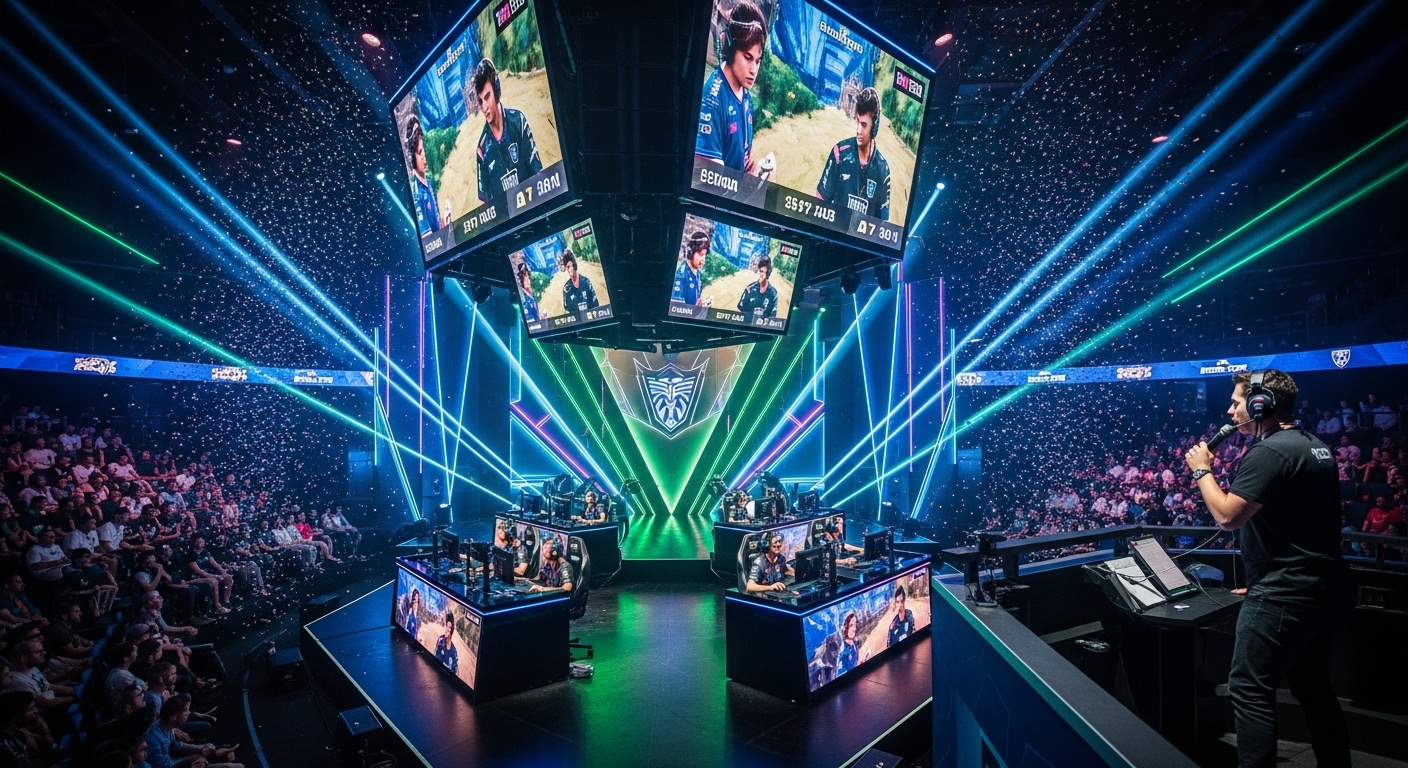
The future of sports looks brighter and more inclusive than ever. Technology will continue to redefine how games are played, watched, and experienced. Esports and virtual competitions are emerging as new frontiers, attracting millions of young fans. Adaptive sports are empowering people with disabilities to compete and inspire. Sustainability is also becoming a key focus, with eco-friendly stadiums and initiatives to reduce environmental impact. The sports world is evolving, but its essence—passion, discipline, and unity—will always remain at the heart of human experience.
Conclusion: The Eternal Flame of Sports
Sports are more than competition; they are a celebration of life. They teach lessons that go beyond the field—lessons of courage, unity, resilience, and respect. Every athlete’s journey reflects the human desire to grow, to challenge, and to achieve. Sports unite nations, build friendships, and inspire hope. Whether it’s a child kicking a ball in a dusty playground or a champion standing on a podium with tears in their eyes, the spirit remains the same—the unstoppable will to strive and to shine. The world may change, technology may evolve, but the heartbeat of sports will forever echo the essence of humanity itself.


