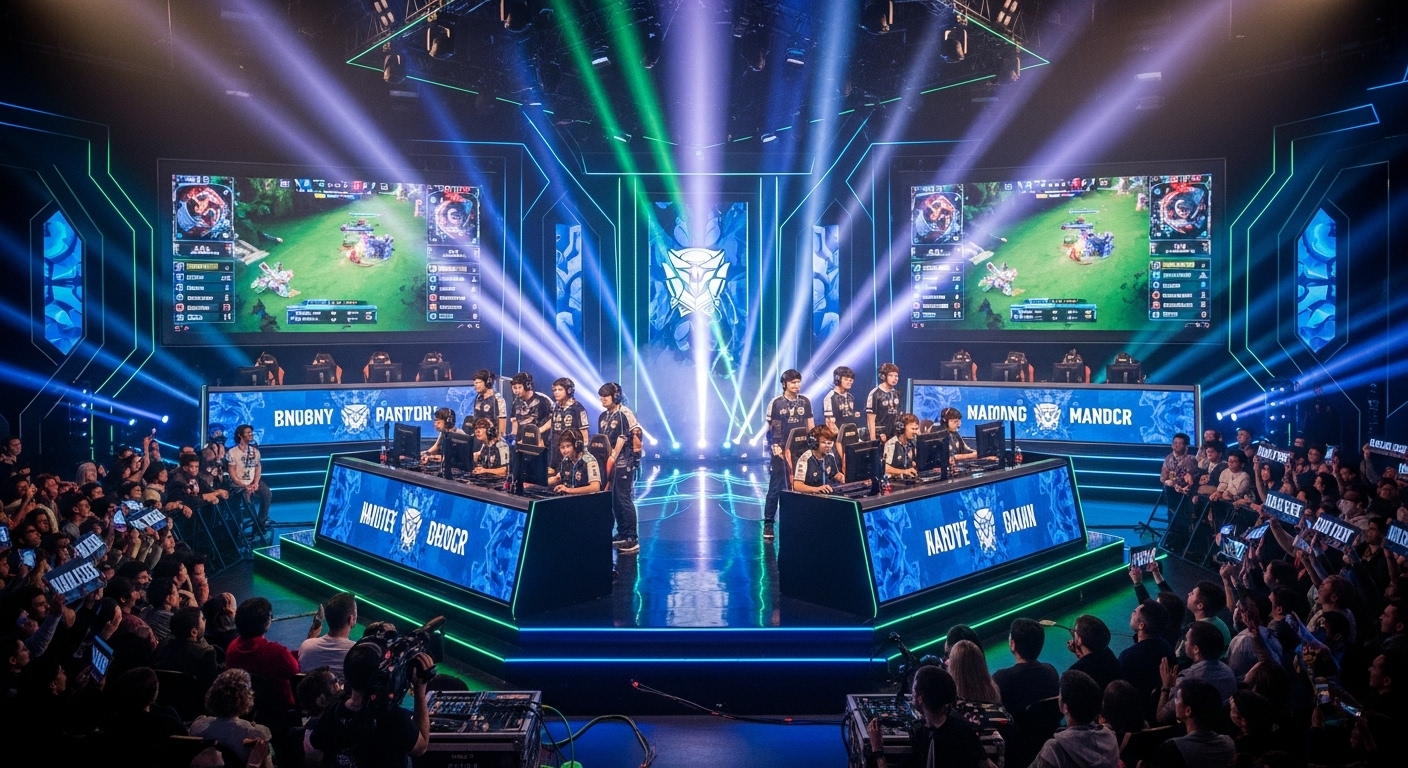
The Thrill of Esports: Exploring the Global Phenomenon of Competitive Gaming
Esports, or electronic sports, has evolved from a niche activity enjoyed by a small community of gamers into a global entertainment powerhouse. What started as casual competitions between friends in online games has now become a multi-billion-dollar industry, attracting millions of viewers, sponsorships from top brands, and even the emergence of esports as a legitimate career path. In this blog post, we will explore the rise of esports, the key factors behind its growth, the most popular esports titles, and the future of competitive gaming.
1. The Origins of Esports: From Local Competitions to Global Tournaments
Esports, at its core, is competitive video gaming. While video games have existed since the 1950s, the competitive aspect of gaming began to take shape in the 1970s. The first recorded video game tournament took place in 1972 at Stanford University, where students competed in the game “Spacewar!” The prize was a subscription to Rolling Stone magazine, and while the event was small, it marked the beginning of gaming competitions.
However, it wasn’t until the late 1990s and early 2000s that esports began to gain serious traction. Games like “StarCraft” and “Quake” introduced players to the concept of organized online tournaments, and with the rise of the internet, players from around the world could connect and compete. The first major esports event was the “Red Annihilation” tournament in 1997, hosted by id Software for the game “Quake.” This tournament set the foundation for what would become a rapidly growing industry.
As the internet infrastructure improved and broadband connections became more widespread, multiplayer online games gained popularity. “Warcraft III” and “Counter-Strike,” both released in the early 2000s, helped solidify esports as a legitimate form of competition. By the mid-2000s, competitive gaming events began to be streamed online, and organizations like Major League Gaming (MLG) and the Electronic Sports League (ESL) formed to organize and promote these events.
2. The Explosion of Esports: 2000s to Present
The 2000s and 2010s were a transformative period for esports. Competitive gaming moved from being a niche hobby to a mainstream entertainment form. One of the key drivers of this expansion was the rise of streaming platforms like Twitch, which launched in 2011. Twitch revolutionized the way fans could watch competitive gaming, providing real-time streams of tournaments, games, and even casual play.
As the viewership of esports grew, so did the level of investment. Major brands like Coca-Cola, Intel, and Red Bull began sponsoring tournaments, providing funding for professional players, and investing in esports teams. In addition, gaming companies began to see the financial potential of esports, creating dedicated leagues, tournaments, and prize pools that offered millions of dollars in cash prizes. The prize pool for The International, an annual “Dota 2” tournament, reached an astounding $40 million in 2021, highlighting the enormous financial potential of the esports ecosystem.
Professional esports leagues also began to form, giving rise to established teams and players who became stars in their own right. Games like “League of Legends,” “Overwatch,” “Counter-Strike: Global Offensive,” and “Fortnite” attracted millions of players and viewers, each with their own professional leagues and tournaments. These competitions offered not only large cash prizes but also opportunities for athletes to make a living playing games.
3. Popular Esports Titles: A Glimpse Into the Most Played Games
While esports encompasses a wide range of games, some titles have achieved a level of popularity and recognition that make them the pillars of the industry. Let’s take a look at some of the most influential and popular esports games that have shaped the competitive gaming landscape.
League of Legends
“League of Legends” (LoL) is often regarded as the king of esports. Developed by Riot Games and released in 2009, LoL is a multiplayer online battle arena (MOBA) game where two teams of five players each battle to destroy the enemy’s Nexus, the core building located in their base. The game combines strategy, fast-paced action, and teamwork, making it both fun to play and exciting to watch. The “League of Legends World Championship,” held annually, has become one of the largest esports events in the world, with millions of viewers tuning in to watch the best teams from across the globe compete.
Dota 2
“Dota 2,” developed by Valve, is another hugely popular MOBA that has taken the esports world by storm. Released in 2013, Dota 2 features intense 5v5 matches where players control “heroes” with unique abilities. The game is known for its complex mechanics, requiring deep strategic thinking, precise timing, and exceptional teamwork. The International, the annual Dota 2 tournament, is the pinnacle of competitive gaming, regularly boasting one of the largest prize pools in esports.
Counter-Strike: Global Offensive
“Counter-Strike: Global Offensive” (CS: GO) is a first-person shooter that has maintained its dominance in the esports scene for over a decade. Launched in 2012, CS: GO features two teams: terrorists and counter-terrorists. The game’s competitive nature and focus on strategy, team coordination, and skill make it a favorite among esports fans. CS: GO tournaments, such as ESL Pro League and the CS: GO Major Championships, attract huge audiences and offer substantial prize money.
Fortnite
“Fortnite,” developed by Epic Games, redefined the battle royale genre when it was released in 2017. The game quickly became a sensation, with players competing to be the last one standing in a shrinking play area. “Fortnite” stands out not only for its innovative gameplay but also for its integration of social experiences and cross-platform play. The “Fortnite World Cup,” held in 2019, offered a $30 million prize pool and helped establish Fortnite as a major esports title. The game’s accessibility and appeal to a younger demographic have made it a favorite among casual and competitive gamers alike.
Overwatch
“Overwatch,” Blizzard Entertainment’s team-based first-person shooter, brought a unique twist to the competitive gaming scene with its blend of colorful heroes, diverse abilities, and tactical gameplay. The Overwatch League (OWL), launched in 2018, brought the game to the forefront of esports with its franchise-based structure and global appeal. The OWL features top teams from around the world competing in city-based leagues, mirroring traditional sports in terms of structure and format.
4. The Esports Industry: Beyond the Games
Esports is more than just a collection of games and tournaments. It has evolved into a multi-faceted industry with a variety of components that contribute to its growth. Some of the key elements that make up the esports ecosystem include:
Esports Teams and Organizations
Esports teams are central to the competitive scene. These organizations sign top players to contracts and support them in every aspect of their careers, from coaching and training to travel and media appearances. Teams like Team Liquid, Cloud9, and Fnatic are household names in the esports world, with players becoming stars in their own right. Teams often have dedicated sponsors, merchandise, and fanbases, much like traditional sports organizations.
Esports Broadcasting and Streaming
Twitch, YouTube Gaming, and Facebook Gaming have become the primary platforms for streaming live esports events. These platforms offer fans the ability to watch matches in real time, engage with content creators, and participate in live chats during tournaments. Esports broadcasting has evolved into a professional industry, with analysts, casters, and hosts providing expert commentary and entertainment to viewers.
Esports Betting and Sponsorship
With the increasing popularity of esports, betting has become a significant part of the industry. Esports betting platforms allow fans to wager on the outcomes of tournaments and matches, similar to how traditional sports betting works. Sponsorship deals also play a major role in the industry’s financial success, with brands like Coca-Cola, Intel, and Red Bull partnering with esports organizations and events to increase their visibility among the gaming community.
5. The Future of Esports: What’s Next?
The future of esports is bright, and the industry shows no signs of slowing down. Several trends are emerging that will likely shape the future of competitive gaming:
Increased Mainstream Recognition
Esports has already made significant strides in becoming more mainstream, with major media outlets covering events and celebrities endorsing teams and players. As the industry continues to grow, we can expect esports to be recognized as a legitimate sport in the same way as basketball, football, or soccer. In fact, esports has already been included in events like the Asian Games and is a potential candidate for inclusion in the Olympics.
Expansion into New Markets
Esports has a global fanbase, and as gaming becomes more accessible in emerging markets, esports will continue to expand into new regions. Countries in Asia, South America, and Africa are beginning to see the rise of local esports leagues, and global companies are investing in these areas to develop the next generation of esports talent.
Integration of Virtual Reality (VR) and Augmented Reality (AR)
As technology continues to advance, esports may embrace virtual reality and augmented reality to offer more immersive experiences for both players and fans. VR esports could revolutionize the competitive landscape, providing players with a completely new set of challenges and possibilities. Similarly, AR could enhance live broadcasts and provide viewers with interactive features that make watching esports even more engaging.


