Rising Beyond the Screen: How Esports Became a Global Cultural Force
Introduction: The Digital Arena That Redefined Competition
Over the last decade, esports has evolved from a niche interest into a global entertainment and competitive industry. What began as small gatherings of passionate gamers has grown into a billion-dollar ecosystem filled with professional athletes, massive tournaments, sponsorships, and millions of devoted fans. As digital technology continues to weave deeper into our daily lives, esports has taken center stage as a modern cultural phenomenon—one that challenges traditional definitions of sports and reshapes how we think about community, competition, and entertainment.
The Evolution of Competitive Gaming
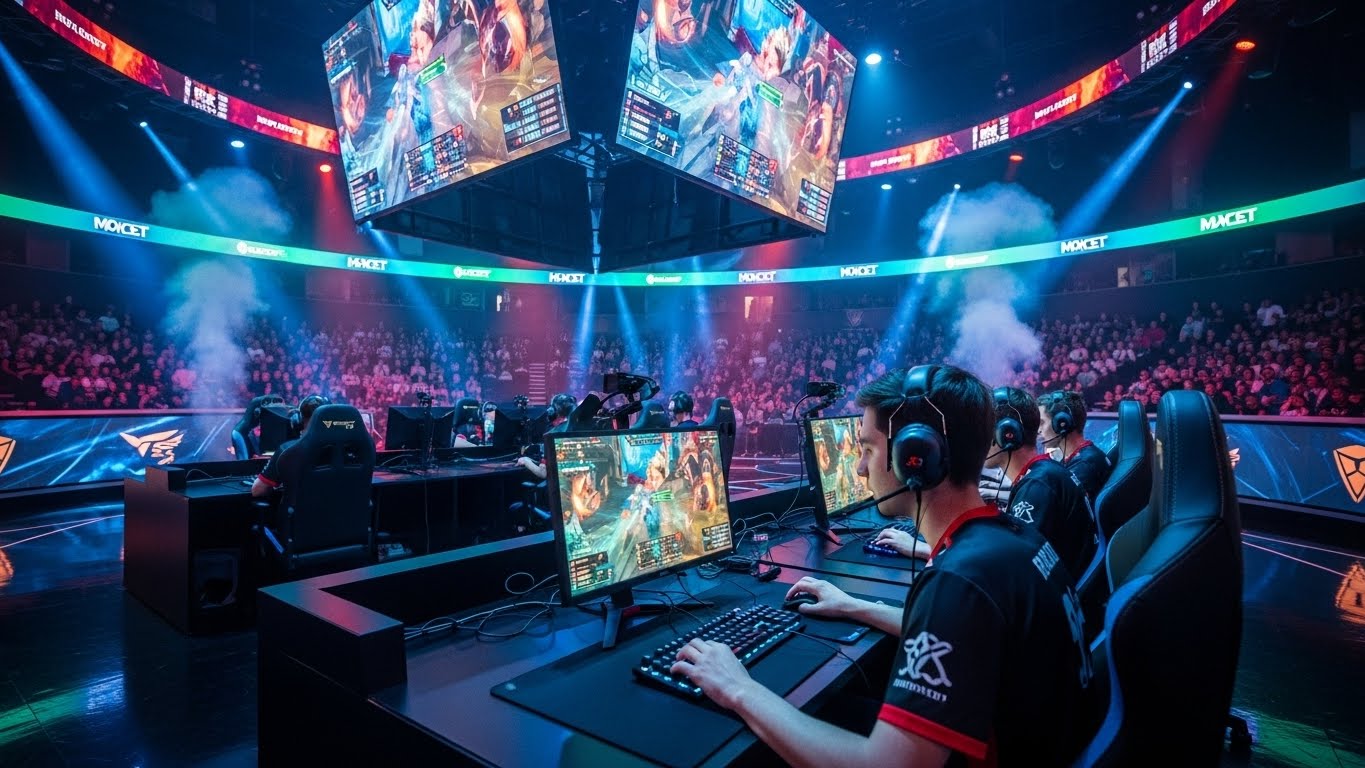
The roots of esports stretch back to the early days of arcade machines and home consoles. In those years, players competed for high scores, bragging rights, and small rewards. Fast-forward to today, and esports tournaments fill arenas with cheering spectators watching teams battle for global titles and substantial prize pools.
This evolution was driven primarily by advancements in technology, faster internet speeds, and the rise of multiplayer online games. Titles such as first-person shooters, real-time strategy games, and multiplayer online battle arenas paved the way for highly strategic and visually engaging competitions. As the gaming community grew, so did the demand for structured tournaments and professional players who could showcase mastery at the highest level.
Why Esports Captivates Audiences Worldwide
Esports appeals to audiences for many of the same reasons as traditional sports: the thrill of competition, the display of skill, and the emotional highs and lows of victory and defeat. However, esports offers something more—an immersive world where creativity, strategy, and rapid decision-making intersect.
Unlike physical sports that often require specific body types or physical strengths, esports focuses on mental agility, teamwork, and precision. This makes the competitions accessible and relatable to a broader audience. Fans are often players themselves, which fosters a deeper connection to the game, strategies, and players. Watching professionals execute flawless strategies or perform extraordinary feats within milliseconds creates a unique excitement that transcends even the screen barrier.
The Rise of Professional Teams and Players
Professional esports athletes are now treated with the same respect and admiration as traditional sports icons. These players undergo rigorous training, maintain strict schedules, and study strategies for hours each day. Many compete under well-known organizations that provide coaches, analysts, nutritionists, and wellness programs to help players maintain peak performance.
This professionalism has also elevated the overall quality of esports. With organized leagues, international competitions, and structured seasons, players have the opportunity to build careers, secure sponsorships, and even become global celebrities. The rise of team rivalries and legendary players adds layers of story and excitement, much like classic sports rivalries that fans have followed for generations.
A Global Community Connected Through Play
One of the most powerful aspects of esports is its ability to connect people across borders, languages, and cultural differences. Players and fans from around the world come together online to share in the excitement of matches, discuss strategies, or simply enjoy the shared passion for gaming.
Esports events are celebrated in various countries, attracting international audiences both online and in stadiums. This global reach makes esports an inclusive and diverse community where people can form friendships and alliances regardless of their physical location. The sense of belonging and shared enthusiasm has helped transform esports from a hobby into a worldwide cultural movement.
Educational and Career Opportunities in Esports
Beyond entertainment, esports has carved out academic and professional pathways for many. Schools and universities now offer scholarships to talented players, recognizing esports as a legitimate competitive activity. Academic programs focusing on game design, esports management, production, and coaching are gaining traction.
New career fields related to esports are also blossoming. From shoutcasters and analysts to event planners, marketers, and production crews, the esports industry offers countless roles for individuals interested in joining this expanding world. These opportunities help solidify esports as a long-term industry with significant growth potential.
Technology: The Backbone of the Esports Revolution
Esports thrives on technology, and innovation continues to push its boundaries. High-performance gaming equipment, advanced graphics, seamless streaming platforms, and interactive digital environments contribute to the immersive nature of esports.
Live streaming is particularly influential, giving fans access to matches, commentary, behind-the-scenes content, and player interactions. Streaming platforms have turned tournaments into global events while also providing a space for casual and professional players to broadcast their gameplay to millions.
Additionally, virtual reality and augmented reality may shape the future of esports, potentially introducing new game types and immersive competitive formats.
Challenges Facing the Esports Industry
While esports is thriving, it faces challenges similar to other large industries. Maintaining player health is a growing concern, as long training hours can lead to physical and mental strain. Ensuring proper regulation, fair play, and ethical standards is essential, especially with the fast pace of digital innovation.
Diversity and inclusivity also remain topics of discussion within the esports community. Efforts to create safer and more welcoming environments for all players are ongoing. As esports continues to grow, addressing these challenges will be key to building a sustainable and equitable future.
Esports and Traditional Sports: A New Relationship
Initially, traditional sports organizations viewed esports as competition, but today many are embracing it. Famous sports clubs have established their own esports teams, and athletes from football, basketball, and other sports openly support and invest in esports ventures.
The crossover brings new fans, shared expertise, and collaborative events. Both industries benefit from the blend of digital and physical entertainment, highlighting that esports is not replacing traditional sports but rather expanding the world of competitive entertainment.
The Future of Esports: Boundless Potential
The future of esports is bright and full of possibility. With continuous advancements in technology, increased global participation, and expanding opportunities for players and fans, esports is poised to become even more influential.
We may see larger arenas dedicated solely to esports, new international leagues, and even further integration of esports into school and college programs. As digital culture becomes even more ingrained in everyday life, esports will continue shaping the future of entertainment, communication, and global community engagement.
Conclusion: A Cultural Movement That Transcends Gaming
Esports is no longer just a form of entertainment—it is a global cultural force that brings people together through shared passion, innovation, and competition. Its rise reflects our evolving relationship with technology and how digital experiences can forge strong communities and lasting memories.
Whether you are a lifelong gamer or someone who has yet to explore the world of esports, its story offers a fascinating look into the future of sports, culture, and human connection. As the digital arena continues expanding, one thing is clear: esports is here to stay, shaping the way we play, connect, and compete for generations to come.


