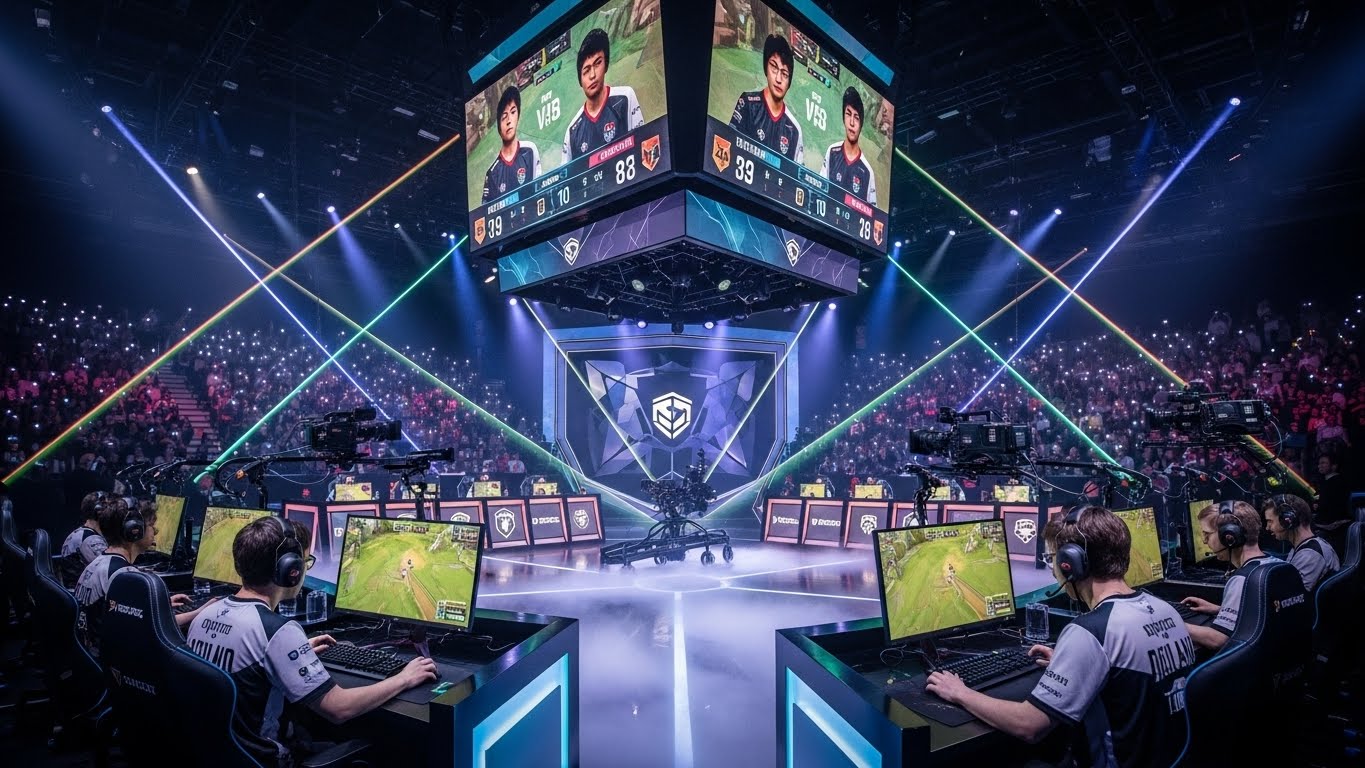
The Rise of Esports: The Digital Revolution Transforming Competitive Gaming
Esports has come a long way from being a niche interest to becoming a global phenomenon. The gaming industry has evolved beyond casual entertainment, transitioning into a competitive space where players, teams, and even entire countries are involved in large-scale tournaments with significant prize pools. The rise of esports has not only changed the way we view gaming but also redefined the concept of sports in the 21st century. In this blog post, we will explore the various factors contributing to the explosive growth of esports, the cultural impact it has had, and the future of this digital revolution.
What is Esports?
Esports, short for “electronic sports,” refers to competitive video gaming where individuals or teams compete in tournaments for prizes, titles, and recognition. These competitions range from local events to massive global tournaments, some of which are broadcast live on platforms like Twitch, YouTube, and Facebook Gaming. Unlike casual gaming, esports requires a high level of skill, strategy, and teamwork, often involving complex games that demand years of practice to master.
Esports is often compared to traditional sports like football, basketball, and soccer due to its structure, competitiveness, and following. The primary difference, however, is that esports takes place in the digital realm, with players often using PCs or consoles to engage in virtual battles or competitions. Games like League of Legends, Dota 2, Counter-Strike: Global Offensive (CS: GO), and Overwatch are among the most popular titles in the esports scene.
The Evolution of Esports: From Arcade Tournaments to Global Phenomenon
The roots of esports can be traced back to the 1970s and 1980s, when video games first became popular. Early arcade games like Pong and Space Invaders were played for fun, but as these games gained traction, players started organizing competitions. One of the first recorded esports tournaments took place in 1980 when Atari hosted a Space Invaders championship, with over 10,000 participants.
However, it wasn’t until the late 1990s and early 2000s that esports began to develop into the multi-million-dollar industry we know today. The rise of internet cafes and the proliferation of high-speed internet allowed players to compete in multiplayer online games. Titles like StarCraft and Warcraft III laid the foundation for competitive gaming by offering complex mechanics and strategic depth. In South Korea, StarCraft became a national obsession, leading to the creation of professional leagues and television broadcasts dedicated to esports.
As the internet continued to evolve, esports expanded globally. The advent of streaming platforms such as Twitch in 2011 played a critical role in the industry’s growth, allowing millions of fans to watch live tournaments from the comfort of their homes. Additionally, major game publishers and organizations began to invest heavily in the esports ecosystem, hosting large-scale competitions with substantial cash prizes.
The Global Impact of Esports
Esports has become a global phenomenon, with millions of fans and players from all corners of the world participating in or watching competitive gaming events. According to recent reports, the global esports audience has surpassed 500 million, and the industry is projected to generate over $1.5 billion in revenue by 2025. Esports has also penetrated mainstream media, with tournaments like The International (Dota 2) and the League of Legends World Championship being broadcast to millions of viewers worldwide.
The impact of esports extends beyond just entertainment. For many, esports has become a legitimate career path. Professional players, streamers, analysts, coaches, and even broadcasters have turned their passion for gaming into full-time jobs, with some earning millions of dollars in prize money, sponsorships, and advertising deals. The rise of esports organizations, such as Team Liquid, Cloud9, and FaZe Clan, has turned some players into household names, further cementing the industry’s legitimacy.
Esports has also had a cultural impact. It has brought gaming into the mainstream, bridging the gap between traditional sports and the digital world. Esports has attracted sponsorships from major companies like Coca-Cola, Intel, and Mercedes-Benz, which traditionally supported physical sports teams. This crossover between the worlds of gaming and traditional sports has helped normalize the idea that video games can be a legitimate and profitable endeavor.
Furthermore, esports has given rise to a new wave of digital content creators and influencers. Players, streamers, and analysts have built massive followings on platforms like Twitch, YouTube, and TikTok, creating a whole new form of entertainment for younger generations. Esports personalities like Ninja, Shroud, and Faker have become globally recognized figures, transcending the gaming world to become mainstream celebrities in their own right.
The Technology Behind Esports
The explosive growth of esports would not have been possible without the rapid advancements in technology. High-performance gaming PCs, consoles, and internet speeds have made it possible to play complex games without lag or technical limitations. Additionally, advancements in streaming technology have made it easier for millions of people to watch live events, creating a more immersive experience for fans.
Virtual reality (VR) and augmented reality (AR) are also beginning to play a role in the future of esports. While VR esports is still in its infancy, games like Beat Saber have demonstrated the potential of immersive virtual environments for competitive gaming. As VR technology continues to improve, it is likely that we will see more tournaments and competitions take place in virtual spaces, allowing players to engage in even more dynamic and interactive competitions.
Moreover, artificial intelligence (AI) and machine learning are being incorporated into esports in various ways. AI can help improve player performance by offering personalized training programs, analyzing gameplay data, and providing real-time strategy recommendations. In the future, AI may also be used to develop smarter in-game opponents and create more sophisticated matchmaking systems.
The Business of Esports
Esports is not just a game—it’s big business. The revenue generated by the esports industry comes from various sources, including sponsorships, advertising, media rights, merchandise, and ticket sales. Major game developers like Riot Games, Valve, and Blizzard have built esports ecosystems around their games, creating a sustainable revenue model that benefits both the players and the publishers.
Sponsorship deals have become a major revenue stream for esports organizations and players. Global brands like Red Bull, Samsung, and Monster Energy have partnered with esports teams, providing financial support and exposure to a new generation of consumers. These partnerships have also allowed esports teams to invest in infrastructure, talent development, and global expansion, making them more competitive on the international stage.
Esports betting has also emerged as a lucrative market. Like traditional sports betting, fans can place bets on esports events, creating an additional layer of excitement and engagement. This growing sector has attracted investors and operators, further legitimizing esports as a professional industry.
The Future of Esports
The future of esports looks incredibly bright. As technology continues to evolve, we can expect even more immersive experiences and innovative gameplay. The continued rise of mobile gaming is expected to further expand the reach of esports, with titles like PUBG Mobile and Free Fire attracting millions of players and fans worldwide. Mobile esports tournaments are becoming increasingly popular, especially in regions like Southeast Asia and South America, where mobile gaming is the dominant form of play.
Another exciting development is the potential for esports to become an official part of the Olympic Games. The International Olympic Committee (IOC) has expressed interest in incorporating esports into future Olympic events, seeing it as an opportunity to engage younger audiences. Although challenges remain in terms of defining esports as a legitimate sport and choosing the right games, the possibility of esports in the Olympics would signal the ultimate recognition of esports as a mainstream cultural and competitive activity.
Finally, esports’ integration with traditional sports will likely continue to grow. We’re already seeing sports franchises such as the NBA and NFL investing in esports, either by creating their own teams or partnering with established esports organizations. This trend suggests that in the coming years, esports will further merge with traditional sports, creating a hybrid form of competition that appeals to fans of both worlds.
Conclusion: A Digital Revolution in Sports
Esports has undergone a remarkable transformation in just a few decades, evolving from a niche hobby to a global industry that rivals traditional sports in terms of popularity, revenue, and cultural impact. Its rapid rise can be attributed to advances in technology, the global expansion of internet access, and the growing mainstream acceptance of gaming as a legitimate form of entertainment.
As esports continues to grow, it has the potential to redefine the very idea of competitive sports, blending digital entertainment with athletic skill and strategy. With its passionate fanbase, lucrative career opportunities, and endless possibilities for innovation, esports is more than just a trend—it’s a digital revolution that is here to stay. Whether you’re a player, a fan, or simply an observer, there’s no denying that esports has changed the landscape of entertainment forever. The future is digital, and esports is leading the way.


