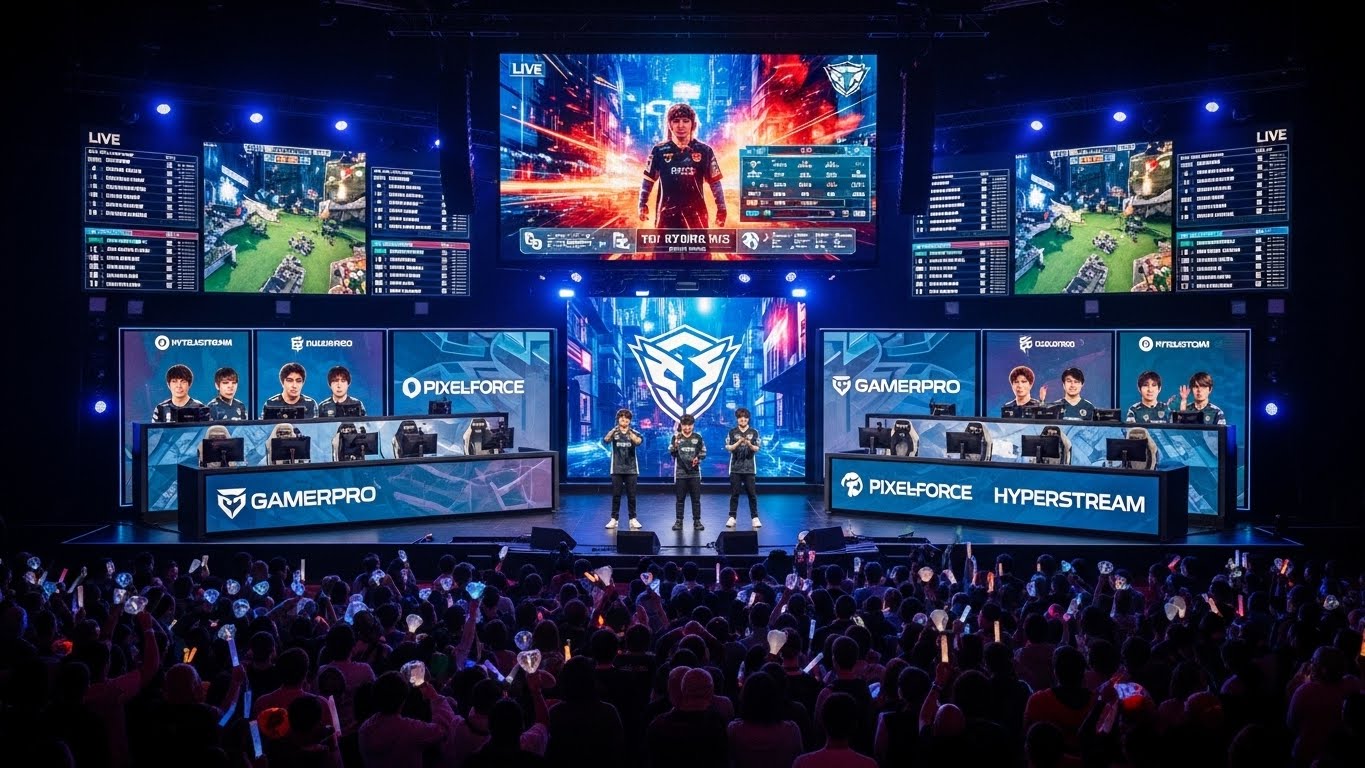
Esports Revolution: The Digital Arena of Modern Competition
Introduction
Esports, or competitive gaming, has emerged as one of the most transformative phenomena in modern entertainment. What began as casual video gaming has evolved into a multi-billion-dollar global industry, captivating millions of fans and redefining the concept of professional sports. From small online tournaments to grand international championships, esports showcases exceptional skill, strategy, and teamwork in a digital arena. It is not just about playing games; it is about performance, dedication, and the convergence of technology, culture, and community.
The Rise of Esports
Esports has grown rapidly over the past two decades. The earliest competitive gaming events, such as local LAN tournaments, attracted small but passionate audiences. With the advent of streaming platforms, social media, and improved internet connectivity, esports exploded into mainstream consciousness. Today, millions of viewers worldwide tune in to watch professional gamers compete in titles like League of Legends, Dota 2, Counter-Strike, and Fortnite. The rise of esports signifies a cultural shift where digital skill and strategic thinking are celebrated as much as physical athleticism.
The Global Esports Ecosystem
The esports ecosystem is vast and interconnected, encompassing players, teams, organizers, sponsors, and audiences. Professional players dedicate countless hours to mastering their chosen games, often following strict training schedules similar to traditional athletes. Teams compete in regional leagues and international tournaments, vying for substantial prize pools and recognition. Organizers create events that balance competition and entertainment, while sponsors and advertisers fuel the industry’s growth by investing in visibility and engagement. This interconnected ecosystem has turned esports into a structured and sustainable global industry.
The Skills Behind Esports
Success in esports requires more than just fast reflexes. Cognitive skills such as strategic thinking, decision-making under pressure, and adaptability are crucial. Players must analyze opponents, anticipate moves, and coordinate with teammates in real-time. Communication and teamwork are fundamental, especially in multiplayer games where synergy determines the outcome. Furthermore, mental resilience is essential, as high-level competition often involves intense stress and scrutiny. Esports demonstrates that digital competition demands a unique combination of intelligence, agility, and perseverance.
The Impact on Youth and Education
Esports has a profound influence on younger generations. It offers opportunities for skill development, social interaction, and career pathways. Many educational institutions now recognize esports programs, providing scholarships and organized leagues to encourage students to excel both academically and digitally. Participating in esports fosters discipline, time management, and collaborative problem-solving. Additionally, esports can inspire interest in technology-related fields, including game design, programming, broadcasting, and digital marketing, thereby merging entertainment with educational growth.
Esports as a Spectator Sport
One of esports’ most compelling aspects is its appeal to spectators. Major tournaments are streamed live, drawing millions of viewers from around the globe. Fans follow their favorite teams and players, engage in live chat discussions, and participate in fan communities. The spectator experience is enhanced with professional commentary, analysis, and high-quality production. Esports has cultivated a dedicated fan culture, where viewers not only enjoy the action but also learn strategies, celebrate achievements, and form social connections. This interactivity distinguishes esports from traditional sports, creating a unique digital community.
Economic Significance of Esports
The economic impact of esports is staggering. The industry generates revenue through sponsorships, advertising, merchandise, event tickets, and media rights. Professional leagues and tournaments often offer multi-million-dollar prize pools, attracting top talent and investment. Streaming platforms monetize viewership, while brands leverage esports to reach younger, digitally engaged audiences. The growth of esports has also led to new career paths, including coaching, content creation, event management, and broadcasting. This economic ecosystem demonstrates how digital entertainment can drive employment, innovation, and global market growth.
The Role of Technology in Esports
Technology is the backbone of esports. High-performance gaming hardware, fast internet connectivity, and advanced software platforms enable seamless competition. Streaming technology allows millions of viewers to access tournaments live, while analytics and artificial intelligence tools provide insights for performance improvement. Virtual reality and augmented reality are beginning to enhance the gaming experience, blurring the lines between physical and digital interaction. Technology not only facilitates gameplay but also shapes the spectator experience, connecting global audiences in real-time and expanding the boundaries of digital competition.
Esports and Social Interaction
Contrary to the stereotype of solitary gamers, esports fosters significant social interaction. Players communicate with teammates, engage in communities, and participate in fan events. Online platforms encourage collaboration and discussion, while conventions and tournaments allow fans to meet players and peers in person. Esports communities often provide mentorship, support, and shared enthusiasm, creating environments where individuals with similar interests connect across cultural and geographic boundaries. The social dimension of esports emphasizes that it is not just a digital pursuit but also a powerful tool for building relationships.
Challenges Facing Esports
Despite its rapid growth, esports faces notable challenges. Issues such as player burnout, mental health pressures, online harassment, and cheating can undermine the integrity of the industry. Additionally, there are debates about regulation, standardization, and fair compensation for players and organizers. Access to esports opportunities remains uneven, with socioeconomic disparities limiting participation in some regions. Addressing these challenges requires careful governance, community support, and industry-wide initiatives to ensure that esports remains inclusive, fair, and sustainable.
Esports and Diversity
Diversity in esports is an ongoing discussion. While traditionally male-dominated, the industry is gradually becoming more inclusive. Female gamers, players from underrepresented communities, and individuals with disabilities are increasingly participating and gaining recognition. Promoting diversity enriches the competitive landscape, introduces fresh perspectives, and expands the fan base. Inclusive initiatives and programs not only challenge stereotypes but also foster equality and accessibility, ensuring that esports represents a truly global community.
Esports in Popular Culture
Esports has become a prominent part of popular culture. Celebrities, influencers, and media personalities engage with esports events, while mainstream media covers major tournaments extensively. Gaming culture permeates fashion, music, film, and social media, reflecting the lifestyle and identity of modern youth. Esports is not merely entertainment; it shapes trends, inspires creativity, and influences digital culture globally. The intersection of gaming, technology, and culture positions esports as a defining phenomenon of the 21st century.
The Future of Esports
The future of esports is promising and dynamic. Advancements in technology, growing global audiences, and increased investment indicate sustained growth. Virtual reality, cloud gaming, and AI integration may redefine competitive formats and enhance engagement. Educational institutions and professional leagues are likely to expand, providing structured career pathways and broader recognition. As esports continues to mature, it has the potential to rival traditional sports in popularity, economic impact, and cultural significance. The digital arena of esports is not a temporary trend but a permanent evolution of competitive entertainment.
Conclusion
Esports represents a revolution in how we understand competition, skill, and entertainment. It combines technology, strategy, teamwork, and creativity to create experiences that resonate with millions worldwide. From personal development and community building to economic influence and cultural impact, esports has established itself as a multifaceted phenomenon. It challenges traditional notions of sports, redefines professional pathways, and unites diverse audiences under a shared passion for digital excellence. The esports arena is a testament to the power of innovation, engagement, and the human drive to compete and excel in a new frontier. As the world continues to embrace this digital revolution, esports will remain a vital, inspiring, and transformative force in modern society.


