Esports: The Digital Arena Revolutionizing Competition and Culture
Introduction: The Rise of Esports in the Modern Era
In recent years, esports has evolved from a niche pastime into a global phenomenon. Competitive gaming now commands massive audiences, lucrative sponsorships, and professional leagues that rival traditional sports in scale and excitement. Esports, or electronic sports, involves organized video game competitions, where individuals or teams compete in titles ranging from strategy games and first-person shooters to fighting games and sports simulations.
The growth of esports is reshaping entertainment, redefining careers, and influencing culture worldwide. Unlike traditional sports, esports thrives in digital environments, connecting players and fans across continents. This blog explores the multifaceted world of esports, examining its history, cultural impact, economic significance, technological advancements, and future potential.
The Origins of Esports: From Arcades to Global Tournaments
The roots of esports can be traced back to the 1970s and 1980s, when arcade games and early home consoles became popular. Early competitions were small-scale events, often held in arcades or school communities. Classic games like Space Invaders, Pac-Man, and later Street Fighter and Counter-Strike laid the foundation for organized gaming competitions.
By the late 1990s and early 2000s, online connectivity enabled global competition. Games such as StarCraft in South Korea and Counter-Strike internationally began hosting professional tournaments with prize pools and fan followings. Esports evolved rapidly from informal contests into structured leagues, with sponsors, broadcasters, and professional players paving the way for its modern form.
The Popularity of Esports: Why Millions Tune In
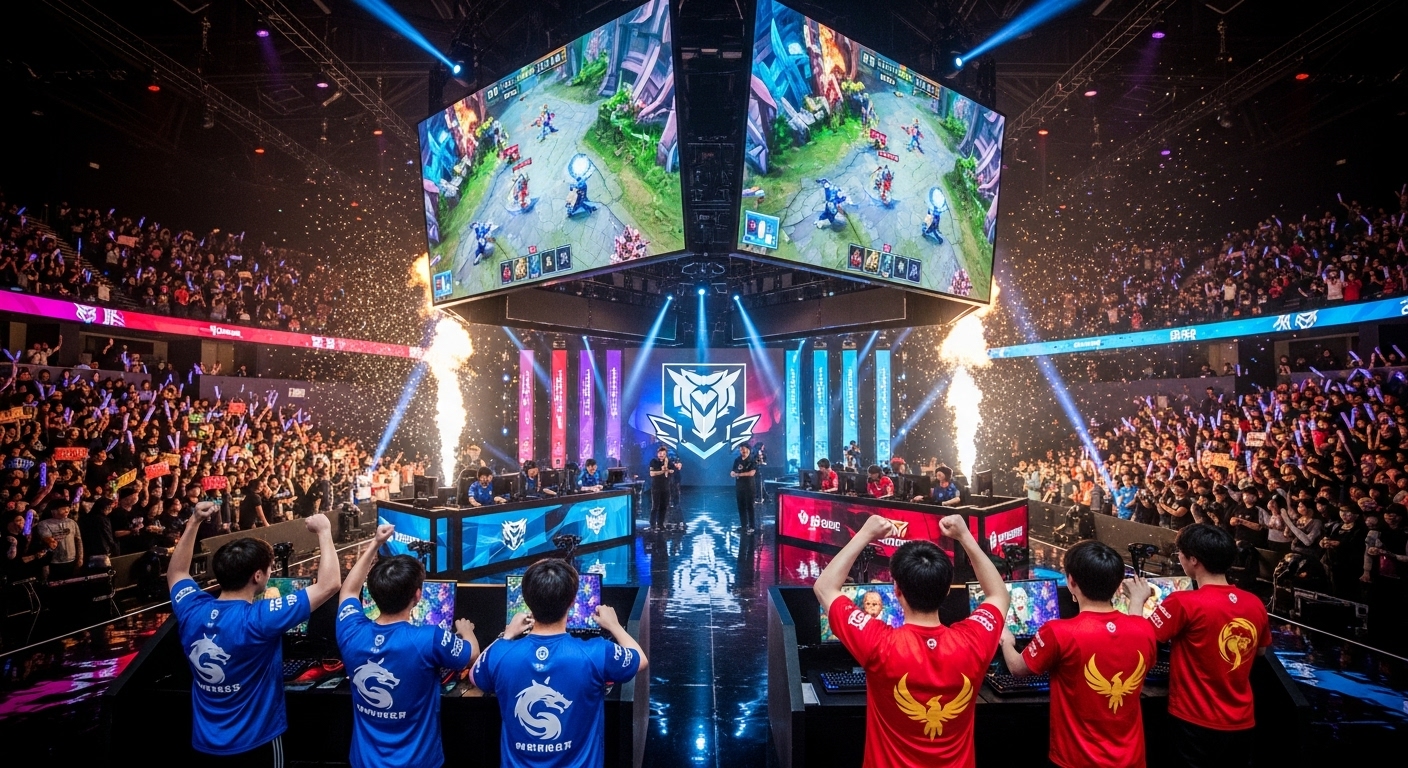
Esports attracts millions of viewers worldwide, creating a unique entertainment experience that blends skill, strategy, and storytelling. Fans are drawn to the excitement of watching elite players execute high-level tactics, intense teamwork, and split-second decision-making. Unlike traditional sports, esports offers interactivity, allowing audiences to engage through live chats, streaming platforms, and social media.
Major tournaments now rival traditional sports in viewership. For instance, championships in games like League of Legends, Dota 2, and Fortnite consistently draw millions of live viewers. Esports provides entertainment not only for hardcore gamers but also for casual fans who appreciate the thrill, competition, and personalities of professional players.
Professional Esports: Careers Beyond the Game
Esports has transformed gaming from a hobby into a legitimate career path. Professional players, coaches, analysts, and content creators now form an entire ecosystem supporting competitive gaming. Top players receive salaries, sponsorship deals, and prize money, allowing them to dedicate themselves entirely to the sport.
Beyond playing, careers in esports include broadcasting, event management, marketing, and game development. Analysts and commentators provide insights during live streams, enhancing viewer engagement. Content creators produce tutorials, entertainment videos, and fan engagement content. This professional ecosystem demonstrates that esports is not just a game—it is a viable industry providing employment and career opportunities worldwide.
Economic Impact of Esports
Esports generates billions of dollars annually through sponsorships, advertising, merchandise, and media rights. Brands across industries recognize the influence of esports audiences, often younger and digitally connected, making it a prime marketing avenue. Large tournaments attract global sponsorships from technology, apparel, energy drinks, and media companies.
In addition to sponsorship, esports drives revenue through ticket sales for live events, merchandise sales for teams and players, and subscriptions or donations on streaming platforms. The economic impact extends to local communities hosting tournaments, with hospitality, travel, and event management sectors benefiting from large gatherings. The financial growth of esports reflects its transformation into a mainstream entertainment industry.
Esports and Technology: The Perfect Partnership
Esports exists at the intersection of gaming and technology, making technological advancements critical to its growth. High-speed internet, powerful hardware, and sophisticated software allow players to compete at high levels globally. Streaming platforms enable fans to watch live events from anywhere, creating interactive experiences with real-time commentary and analytics.
Technology also enhances gameplay through performance monitoring, artificial intelligence, and data analysis. Professional teams use analytics to track player performance, optimize strategies, and gain competitive advantages. Virtual reality and augmented reality are beginning to influence esports, offering immersive experiences that could redefine the future of digital competition.
The Role of Community and Culture in Esports
A defining feature of esports is the strong community that surrounds it. Online forums, social media groups, and streaming platforms enable fans to interact, share strategies, and celebrate victories. Communities often form around specific games, creating subcultures with unique norms, humor, and traditions.
Esports culture also emphasizes inclusion, diversity, and collaboration. Players from different backgrounds and countries can compete on equal footing. The digital nature of esports allows individuals who may not have access to traditional sports facilities to participate and excel, democratizing competitive opportunities. This cultural impact ensures that esports is more than competition—it is a social phenomenon shaping global youth culture.
Mental and Cognitive Benefits of Esports
Competitive gaming requires sharp cognitive skills, including strategic thinking, quick decision-making, hand-eye coordination, and multitasking. Professional esports players often demonstrate remarkable focus, memory, and problem-solving abilities. Unlike many other forms of entertainment, esports engages the mind actively, offering mental stimulation alongside competitive excitement.
Participation in esports can also foster teamwork, leadership, and communication skills. Multiplayer games require coordination and cooperation, teaching players to work efficiently with others toward common objectives. While physical exercise is limited, esports contributes significantly to cognitive and social skill development.
Challenges in Esports: Health and Ethics
Despite its growth, esports faces challenges related to health, fairness, and regulation. Extended screen time and sedentary behavior can lead to physical strain, including eye fatigue, carpal tunnel syndrome, and posture-related issues. Mental health is another concern, as the pressure to perform and maintain public personas can cause stress and burnout.
Ethical challenges include cheating, match-fixing, and toxicity within gaming communities. Governing bodies and tournament organizers are increasingly implementing rules, anti-cheat systems, and support structures to ensure fair play and player well-being. Balancing competition, health, and community standards is crucial for the sustainable growth of esports.
Women in Esports: Breaking New Ground
Women in esports are making significant strides, challenging stereotypes and gaining recognition on global stages. Female players, commentators, and organizers are increasingly visible in major tournaments, inspiring future generations.
While gender disparities persist, initiatives to promote inclusivity, mentorship programs, and women-only tournaments are helping level the playing field. Female participation not only enriches competition but also broadens esports culture, encouraging diversity and collaboration in a traditionally male-dominated space.
The Future of Esports: Trends and Opportunities
The future of esports is bright, dynamic, and constantly evolving. Emerging technologies like virtual reality, augmented reality, and cloud gaming will redefine how competitions are played and experienced. Global expansion into new regions continues to attract fresh talent and audiences.
Esports is also likely to integrate further with mainstream entertainment, combining gaming, music, and digital media to create hybrid experiences. Educational institutions are increasingly recognizing esports programs, providing scholarships and professional pathways. As the industry matures, esports will continue to shape digital culture, redefine careers, and influence how society perceives competition and collaboration.
Conclusion: Esports as a Cultural and Competitive Revolution
Esports is more than a digital pastime; it is a cultural revolution, an economic powerhouse, and a competitive arena redefining entertainment in the 21st century. It combines skill, strategy, and technology to create experiences that captivate millions worldwide.
From cognitive and social benefits to career opportunities and global economic impact, esports demonstrates that digital competition is a legitimate, influential force. Its inclusive nature, technological innovation, and cultural resonance ensure that esports will continue to grow, shaping the future of competition and entertainment.


