The Rise of Digital Champions: How Esports is Redefining Competitive Entertainment
Introduction to Esports
Esports, short for electronic sports, has emerged as a revolutionary form of entertainment and competition in the digital age. Once considered a niche hobby for gaming enthusiasts, esports has now become a global phenomenon, attracting millions of players, fans, and sponsors. It combines the excitement of traditional sports with the creativity and innovation of video gaming, offering a unique form of engagement for both participants and spectators. Beyond entertainment, esports has created professional careers, fostered social communities, and influenced technology, education, and media. Understanding esports requires exploring its history, structure, impact, and future potential.
The Origins of Competitive Gaming
Competitive gaming has existed since the earliest days of video games. Early arcade competitions, such as high-score challenges, laid the foundation for organized gaming tournaments. In the late 1990s and early 2000s, games like StarCraft, Counter-Strike, and Warcraft brought esports to prominence, particularly in South Korea and North America. Online multiplayer capabilities allowed players from different regions to compete in real-time, fueling international competition. These early tournaments, often modest in scale, demonstrated the appeal of skill-based gaming and the potential for digital competitions to attract audiences.
The Explosion of Esports in the 21st Century
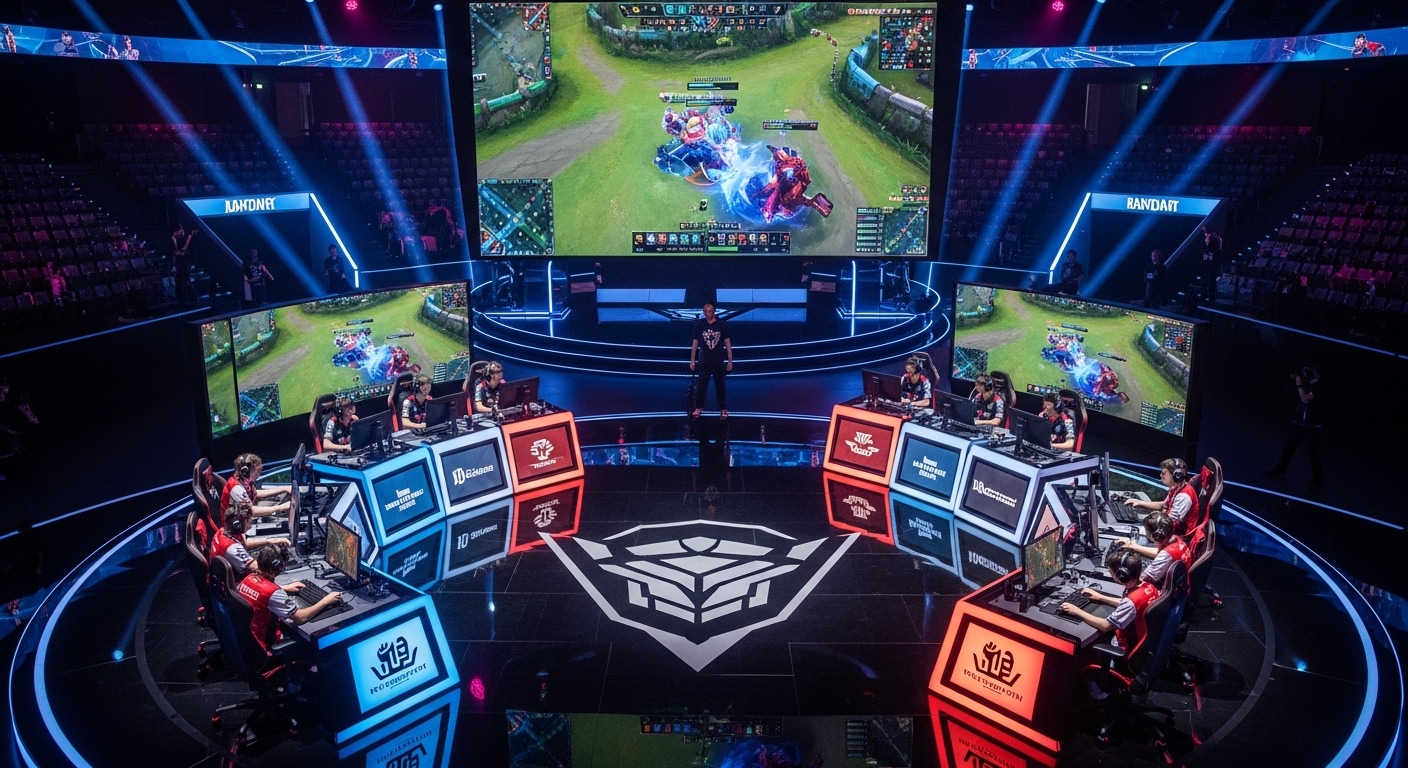
The 21st century witnessed the rapid growth of esports as a legitimate industry. Streaming platforms and high-speed internet made it easier than ever for audiences to watch professional gameplay live. Major tournaments with substantial prize pools, sponsorship deals, and broadcasting rights transformed gaming from a pastime into a full-fledged competitive sport. Franchised leagues, such as those for popular games like League of Legends and Overwatch, introduced structured seasons, rankings, and global fan bases. Esports events now rival traditional sporting events in scale, attracting stadium-sized crowds, millions of online viewers, and extensive media coverage.
Popular Esports Titles and Genres
Esports encompasses a wide range of genres, each offering distinct challenges and strategies. Multiplayer online battle arenas (MOBAs) like League of Legends and Dota 2 emphasize teamwork, strategy, and long-term planning. First-person shooters (FPS) such as Counter-Strike: Global Offensive and Call of Duty test reflexes, precision, and coordination. Real-time strategy (RTS) games demand quick thinking and resource management, while fighting games and sports simulations provide intense one-on-one competition. Each genre attracts its own dedicated community of players and fans, contributing to the diversity and growth of the esports ecosystem.
The Structure of Competitive Esports
Esports operates on multiple levels, from amateur leagues to professional circuits. Local tournaments provide a platform for aspiring players to showcase their skills, while regional and national competitions identify top talent. Professional teams, often sponsored by major corporations, recruit skilled players and provide coaching, training facilities, and financial support. International tournaments, such as world championships and invitational events, bring together elite competitors, offering substantial prize pools and prestige. The structure of esports mirrors traditional sports, with rankings, seasonal play, and organized championships contributing to the competitive integrity of the industry.
Esports and Technology
Technology is the backbone of esports, enabling fast-paced, precise, and immersive gameplay. High-performance gaming hardware, low-latency internet, advanced graphics, and performance analytics are critical for both practice and competition. Streaming technology allows live broadcasting of events to global audiences, often with professional commentary, analysis, and viewer interaction. Data analytics tools help teams track performance, optimize strategies, and refine training methods. Emerging technologies like virtual reality and augmented reality promise to expand the possibilities of esports, creating more immersive and interactive experiences for players and fans alike.
Esports as a Professional Career
Esports offers legitimate career opportunities that extend beyond playing competitively. Professional players can earn income through salaries, sponsorships, tournament winnings, and content creation. Coaching, team management, event organization, broadcasting, and game analysis are additional career paths within the industry. Esports professionals often adhere to rigorous training schedules, much like traditional athletes, dedicating hours to skill development, teamwork, and strategy. This professionalization has elevated esports, making it a respected field for talent and career growth.
The Role of Esports Communities
Community is a cornerstone of esports culture. Online forums, social media groups, and fan communities allow players and spectators to interact, share strategies, and celebrate achievements. These communities also foster mentorship, networking, and collaboration, helping new players integrate into competitive environments. Streaming platforms enable direct engagement between players and fans, creating a sense of connection and belonging. The social dimension of esports enhances its appeal, transforming it from a solitary gaming activity into a vibrant, participatory cultural movement.
Esports and Education
Esports has found its way into educational institutions, with many schools and universities offering competitive gaming programs. These programs combine technical skill development, teamwork, communication, and strategic thinking with traditional education. Scholarships for esports players have become increasingly common, providing opportunities for students to pursue both academics and competitive gaming. Beyond formal education, esports fosters soft skills such as problem-solving, leadership, time management, and adaptability, making it a valuable tool for personal and professional growth.
The Economic Impact of Esports
Esports has become a significant contributor to the global economy. Sponsorship deals, merchandise sales, broadcasting rights, ticket sales, and digital advertising generate billions of dollars annually. Brands invest heavily in esports to reach younger, tech-savvy audiences, while event organizers create elaborate productions to attract global viewership. This economic impact extends to hardware manufacturers, software developers, marketing agencies, and media platforms, creating a multifaceted ecosystem that drives innovation, employment, and cultural influence.
Inclusivity and Diversity in Esports
Esports increasingly embraces inclusivity and diversity. While historically male-dominated, the industry has seen a rise in female players, non-binary competitors, and international talent. Inclusive practices, anti-harassment policies, and diverse representation in professional leagues contribute to a more welcoming environment. Diverse teams and audiences enrich the esports ecosystem, broadening perspectives, fostering creativity, and challenging stereotypes. By prioritizing inclusivity, esports demonstrates its commitment to cultural relevance and long-term growth.
The Mental and Physical Demands of Esports
Competitive gaming demands more than skill; it requires mental resilience, focus, and endurance. Professional players engage in long training sessions that test concentration, decision-making, and stress management. Physical well-being is also critical, with many players incorporating exercise, nutrition, and posture management to maintain peak performance. Mental health initiatives, including counseling and wellness programs, are increasingly recognized as essential for sustaining careers in esports. Balancing physical and mental health ensures players can compete effectively while avoiding burnout and injury.
Esports and Global Connectivity
Esports transcends geographical boundaries, connecting players and fans across the globe. International tournaments, cross-platform competitions, and online streaming allow for global engagement, fostering cultural exchange and shared experiences. This global connectivity encourages collaboration, sportsmanship, and mutual understanding among diverse communities. As esports continues to expand, it serves as a unifying force, demonstrating the universal appeal of skill, strategy, and digital competition.
The Future of Esports
The future of esports promises continued growth, innovation, and mainstream acceptance. Advances in technology, including cloud gaming, artificial intelligence, and immersive virtual experiences, will enhance competition and accessibility. Expanding professional opportunities, educational programs, and global leagues will nurture new talent and elevate the industry. Esports is likely to integrate further with traditional media, entertainment, and sports, creating hybrid experiences that engage audiences in new ways. As digital competition continues to evolve, esports is poised to redefine entertainment, professional sports, and community engagement in the 21st century.
Conclusion
Esports has transformed from a niche pastime into a global cultural and economic force. Its combination of competition, technology, storytelling, and community creates a unique form of entertainment that resonates with millions worldwide. Professional careers, educational programs, global tournaments, and inclusive communities illustrate the broad impact of esports beyond gaming itself. As technology, culture, and audience engagement continue to evolve, esports will remain a dynamic and influential part of modern life. The rise of digital champions is more than a trend; it represents a shift in how people compete, connect, and experience entertainment in an increasingly digital world.


