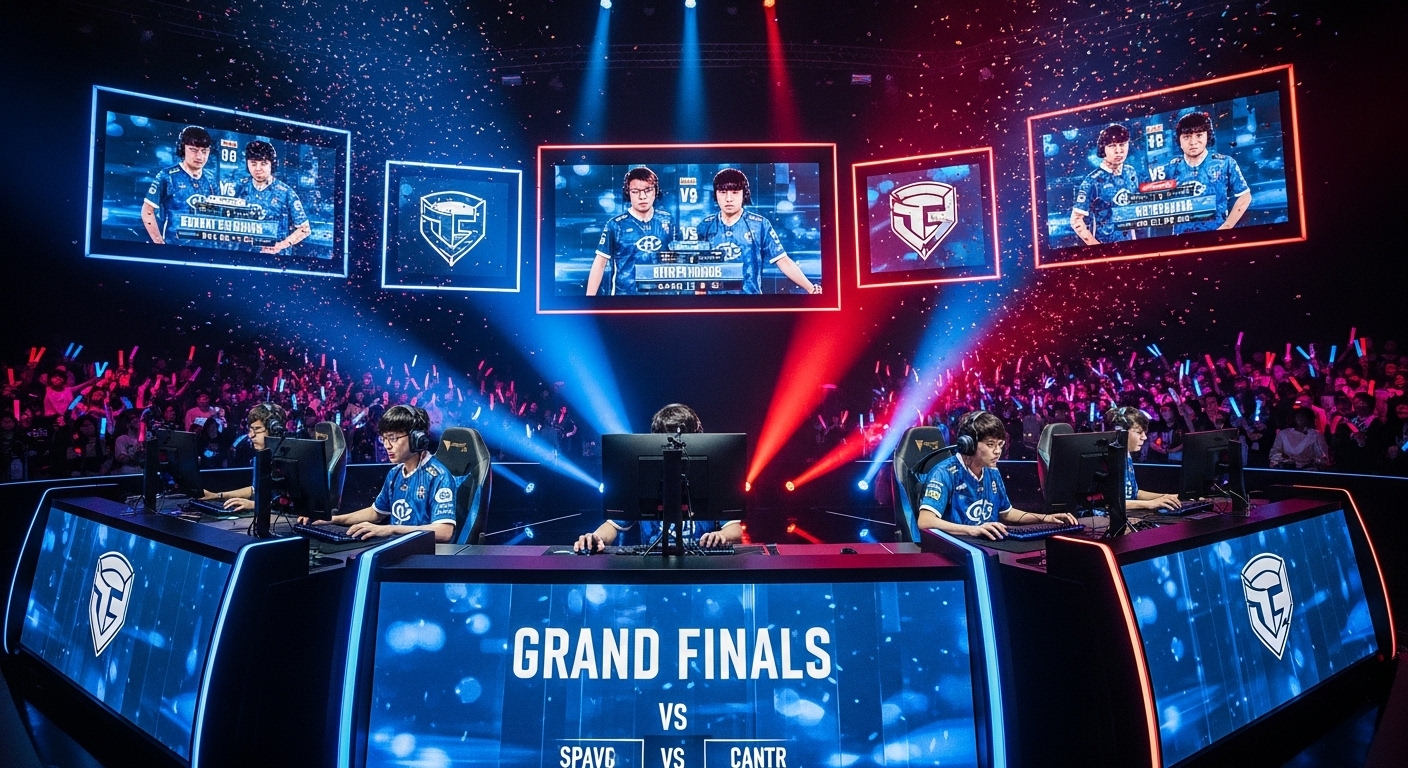
Esports: The Global Revolution of Competitive Gaming
In recent years, the world of esports has undergone an incredible transformation, evolving from a niche hobby to a billion-dollar industry with a global reach. What started as small gatherings of passionate gamers has blossomed into one of the fastest-growing sectors in the entertainment world. With major tournaments, sponsorship deals, and a dedicated fan base, esports has quickly become a legitimate form of competition and entertainment on par with traditional sports. In this blog post, we will explore the history, growth, impact, and future of esports, and understand why it has become such an influential force in the digital age.
The Beginnings of Esports: From Arcade to Online Play
The story of esports dates back to the early days of video gaming, which began in the 1970s. The first instances of competitive gaming occurred in arcades, where players competed for high scores in games like Pong and Space Invaders. These early competitions were informal and local, but they set the foundation for the competitive gaming culture that would eventually spread worldwide.
However, it wasn’t until the late 1990s that esports began to take shape as we know it today. Quake, a first-person shooter released by id Software in 1996, is often credited as one of the first titles to introduce organized competitive gaming. The Quake World Championship, held in 1997, was one of the first large-scale esports tournaments, offering players a platform to compete for real prizes. Around the same time, StarCraft, a real-time strategy game released by Blizzard Entertainment, became a major player in the competitive gaming scene.
While esports was still in its infancy during these years, these events marked the beginning of what would become a thriving, professional ecosystem. The popularity of these games, particularly StarCraft in South Korea, paved the way for esports to grow into a serious, global industry.
The Rise of Professional Esports
The real turning point for esports came in the early 2000s with the advent of high-speed internet and the rise of multiplayer online games. Games like Warcraft III, Counter-Strike, and League of Legends became the mainstays of competitive gaming. With the ability to compete against players from all over the world, competitive gaming began to transcend local tournaments and enter the realm of international competition.
In particular, League of Legends (LoL), released in 2009 by Riot Games, revolutionized the esports landscape. LoL quickly became one of the most popular and enduring esports titles, with its fast-paced gameplay and strategic depth appealing to both players and spectators. Riot Games made an early commitment to esports by organizing the League of Legends World Championship, which grew in prestige year after year. By 2018, the tournament attracted over 100 million viewers, proving that esports had firmly established itself as a mainstream entertainment medium.
Another key milestone in the rise of professional esports was the creation of dedicated esports organizations. Teams such as Team Liquid, Cloud9, and Fnatic emerged as dominant forces in the competitive gaming scene, signing talented players and offering them salaries, sponsorships, and opportunities to compete in high-stakes tournaments. The growth of these organizations helped professionalize esports and paved the way for players to build successful careers in gaming.
The Impact of Streaming and Global Fanbase
One of the most significant factors in the meteoric rise of esports has been the role of live streaming platforms, particularly Twitch. Launched in 2011, Twitch allowed players to stream their gameplay to a global audience, enabling fans to watch professional gamers in real time. This revolutionized the way fans engaged with esports. In addition to watching live tournaments, viewers could follow their favorite players, interact with them through chat, and learn new strategies through live commentary and tutorials.
The rise of streaming helped establish esports as a legitimate form of entertainment. Top streamers like Ninja, Shroud, and PewDiePie turned their gameplay into a full-time career, drawing millions of viewers to their channels. Streaming platforms also offered gamers a platform to showcase their skills and grow their personal brands. This new form of celebrity allowed esports to reach a broader, more diverse audience.
The global reach of streaming has also contributed to the cultural impact of esports. Unlike traditional sports, which are often limited by geography and infrastructure, esports has no such barriers. A player in North America can compete against one in South Korea, and fans from all over the world can tune in to watch. This accessibility has helped esports develop a truly global fanbase, uniting people from different cultures, backgrounds, and languages around a shared love of gaming.
The Role of Sponsorship and Investment
As esports gained popularity, major brands and companies began to recognize its potential as a lucrative market. Sponsorships have become a crucial part of the esports ecosystem, with companies like Intel, Coca-Cola, and Nike investing heavily in the industry. These sponsorships provide funding for tournaments, teams, and players, while also creating marketing opportunities for companies looking to reach a young, tech-savvy audience.
In addition to traditional brands, esports has also attracted investment from traditional sports franchises. Teams like the Philadelphia 76ers and Manchester City have acquired esports teams, merging the worlds of physical and digital competition. This crossover between traditional sports and esports has led to a growing acceptance of esports as a legitimate form of competition, further blurring the lines between the two.
Furthermore, the growing success of esports has led to significant investments from venture capitalists and media companies. ESL, one of the largest esports organizations in the world, has secured partnerships with major broadcasters and streaming platforms. This investment has allowed esports tournaments to be broadcast on mainstream television networks, reaching a broader audience and adding legitimacy to the industry.
The Challenges of Esports
While esports has grown exponentially, it has also faced several challenges. One of the most significant concerns is the issue of player health and well-being. Professional esports players often spend hours each day practicing, leading to physical and mental exhaustion. The pressure to perform at the highest level can result in burnout, which has been a growing concern in the industry.
Another challenge is the issue of cheating and match-fixing. As the stakes in esports tournaments have risen, so too have attempts to exploit the system. Organizations and governing bodies are working to implement stricter regulations and improve security measures to ensure fair play, but the problem remains an ongoing issue.
Esports is also faced with the challenge of ensuring diversity and inclusivity. Historically, esports has been a male-dominated industry, with very few women in professional gaming roles. However, efforts are being made to address this imbalance by creating more opportunities for women and underrepresented groups to participate in competitive gaming. Many esports organizations are now actively working to foster a more inclusive and diverse environment, both on and off the screen.
The Future of Esports
The future of esports looks incredibly bright, with continued growth in both participation and viewership. As technology continues to evolve, esports is expected to become even more immersive. Virtual reality (VR) and augmented reality (AR) have the potential to transform the way games are played and viewed, offering a more interactive and engaging experience for both players and fans.
Additionally, the integration of esports into educational institutions is growing. Many universities now offer scholarships for talented gamers, and academic programs focused on esports management, game design, and digital media are becoming increasingly popular. This formalization of esports within the educational system will help to legitimize the industry and provide more career opportunities for aspiring players, coaches, and analysts.
Esports is also likely to continue its expansion into traditional media. Major sports networks and streaming services are increasingly interested in broadcasting esports events, which could help bridge the gap between esports and traditional sports. As esports continues to evolve and grow, it is likely to become an integral part of the global entertainment landscape.
Conclusion
Esports has come a long way from its humble beginnings as local arcade competitions. Today, it is a global industry with millions of fans, professional players, and lucrative sponsorships. With the rise of streaming, global competitions, and significant investments from both traditional sports and tech companies, esports has solidified its place as a mainstream form of entertainment.
As esports continues to evolve, it is poised to shape the future of both gaming and sports. The industry’s impact on culture, technology, and global communities cannot be overstated. Whether you are an aspiring professional gamer, a passionate fan, or someone curious about this rapidly growing field, one thing is clear: esports is here to stay, and its influence will only continue to grow in the coming years.


