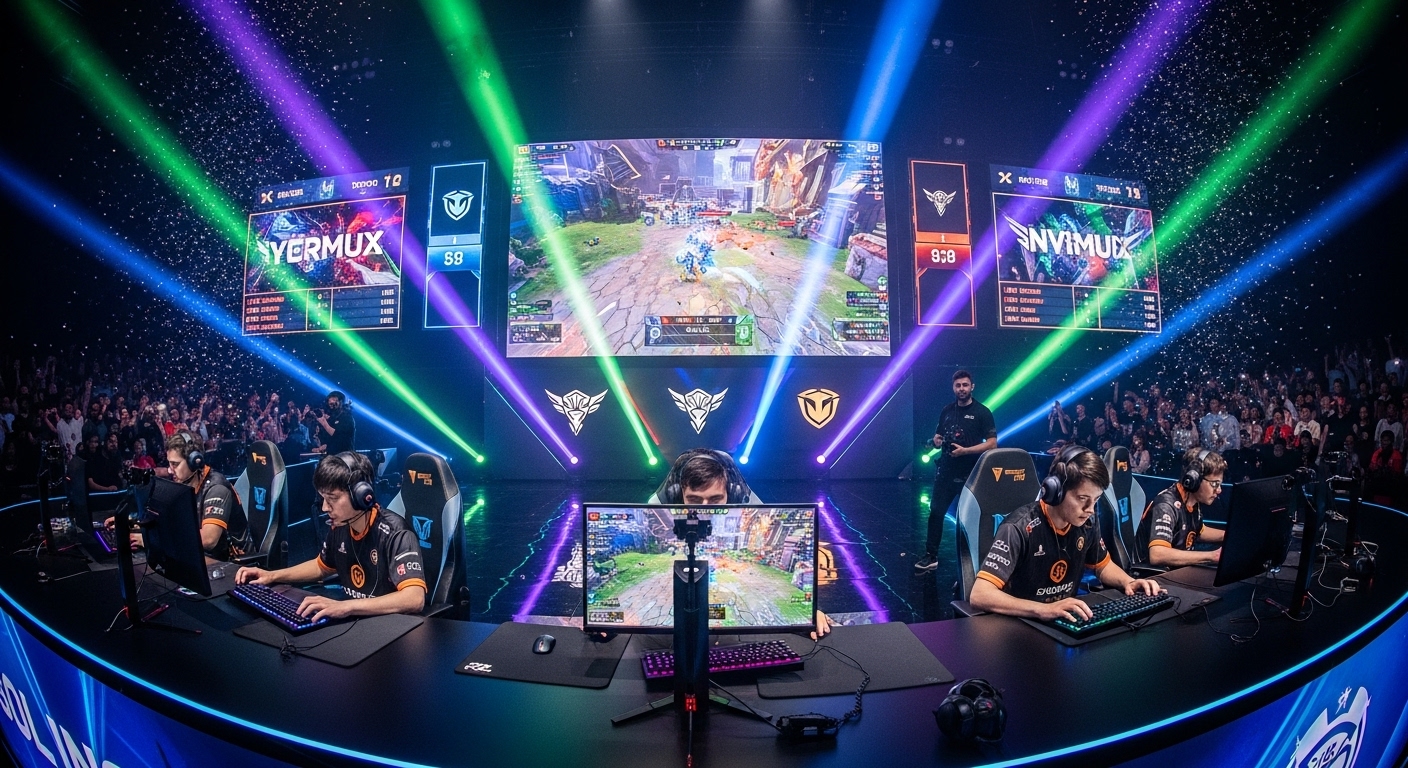
The Rise of Esports: A Digital Revolution in Competitive Gaming
Esports, short for electronic sports, has grown from niche hobby to a global phenomenon, attracting millions of viewers and generating billions in revenue. The evolution of competitive gaming has transformed it into a serious industry with professional players, sponsors, streaming platforms, and massive international tournaments. In this post, we will explore the history, culture, economic impact, and future of esports, as well as its social and technological implications.
The Early Days of Competitive Gaming
The roots of esports can be traced back to the 1970s and 1980s when video games first became popular. One of the earliest documented competitions was the 1972 “Intergalactic Spacewar Olympics” at Stanford University, where players competed in the game Spacewar. Throughout the 1980s, arcade games like Pac-Man, Donkey Kong, and Street Fighter attracted local tournaments. These competitions were mostly small, informal events organized in arcades or by gaming magazines.
In the 1990s, the rise of PC gaming and multiplayer games like Doom, Quake, and StarCraft laid the foundation for modern esports. South Korea, in particular, played a significant role in shaping esports culture. The Korean government invested in high-speed internet infrastructure, making online multiplayer games accessible and fostering a professional gaming scene. StarCraft tournaments in South Korea became national events, with professional players gaining celebrity status.
The Growth of Online Platforms
The 2000s marked the era of online gaming and streaming, which allowed esports to reach global audiences. Games like Counter-Strike, Warcraft III, and Dota became competitive staples, while platforms such as YouTube and later Twitch provided spaces for fans to watch live gameplay. Twitch, in particular, revolutionized esports by offering interactive live streaming, chat features, and monetization opportunities for content creators and professional gamers.
Online platforms have not only democratized access to esports but also created communities around specific games and teams. These communities engage in discussions, share highlights, and participate in amateur tournaments, further expanding the ecosystem. Social media channels have amplified esports’ reach, turning players into influencers and tournaments into major entertainment spectacles.
Major Esports Titles and Genres
Esports encompasses a wide range of games and genres, each with its unique competitive scene. Some of the most popular genres include:
- First-Person Shooters (FPS): Games like Counter-Strike: Global Offensive, Call of Duty, and Overwatch focus on fast-paced shooting and tactical gameplay. These games often have highly skilled players specializing in aiming, movement, and strategy.
- Multiplayer Online Battle Arenas (MOBA): Games such as League of Legends and Dota 2 involve two teams competing to destroy each other’s base while controlling heroes or champions with unique abilities. MOBAs require strategic thinking, coordination, and split-second decision-making.
- Battle Royale Games: Titles like Fortnite, PUBG, and Apex Legends challenge players to survive against large numbers of opponents in shrinking maps. Battle royale esports emphasizes adaptability, survival skills, and high-pressure decision-making.
- Fighting Games: Games like Street Fighter, Tekken, and Super Smash Bros. feature one-on-one combat and have long-standing competitive communities with tournaments dating back decades.
- Sports Simulations: Games such as FIFA, NBA 2K, and Madden allow players to compete virtually in familiar sports, attracting fans from traditional sports backgrounds.
Each genre has its own competitive scene, tournaments, and professional leagues, contributing to the diversity and appeal of esports worldwide.
Professional Esports Players and Teams
Esports athletes, often called “pro players,” train extensively to compete at the highest levels. Unlike casual gamers, professional players maintain rigorous practice schedules, including strategic review, skill drills, teamwork exercises, and physical fitness routines. Top-tier players can earn significant income through tournament winnings, sponsorships, streaming, and merchandise sales.
Esports teams operate similarly to traditional sports franchises. Organizations recruit talent, provide coaching, manage marketing, and maintain fan engagement. Famous teams such as Team Liquid, Fnatic, T1, and Cloud9 have built loyal fan bases and compete internationally. Team dynamics, player chemistry, and leadership play crucial roles in achieving success, highlighting esports’ complexity beyond individual skill.
The Economics of Esports
The financial ecosystem of esports has grown exponentially. Revenue comes from multiple sources: tournament prize pools, sponsorships, media rights, merchandising, and advertising. Some high-profile tournaments, such as The International for Dota 2, feature prize pools exceeding tens of millions of dollars, fueled by crowdfunding and corporate sponsorships.
Sponsors and brands see esports as an opportunity to reach younger, tech-savvy audiences. Companies ranging from energy drinks and computer hardware to mainstream consumer brands invest heavily in esports partnerships. Streaming platforms generate revenue through subscriptions, advertisements, and donations, further fueling the industry.
In recent years, traditional investors and even sports organizations have entered esports. Professional soccer clubs, basketball teams, and esports franchises are acquiring teams, building arenas, and organizing leagues, solidifying esports as a sustainable business.
Esports Culture and Community
Esports is more than just competition; it’s a culture. Fans engage deeply with players, teams, and games, forming communities that extend online and offline. Esports fandom includes live streaming, forums, cosplay, fan art, and attending tournaments. Major events like League of Legends World Championship and EVO Fighting Game Championship attract thousands of live spectators while millions watch online.
Cosplay and fan culture also play significant roles in esports. Players and fans often dress as their favorite characters, participate in gaming conventions, and celebrate achievements together. The community-driven nature of esports fosters a sense of belonging, connecting people across different countries, languages, and cultures.
The Role of Technology in Esports
Esports is inherently tied to technological advancements. High-performance hardware, reliable internet infrastructure, and sophisticated gaming peripherals are essential for competitive play. Streaming technology enables real-time broadcasting to global audiences, while analytics tools help players and teams track performance and refine strategies.
Virtual reality and augmented reality are beginning to influence esports, offering new gameplay experiences and interactive spectator modes. Cloud gaming is also emerging, making high-end esports more accessible by allowing players to stream games without powerful local hardware.
Health and Wellbeing in Esports
Despite its popularity, esports presents unique health challenges. Professional players face physical strain from prolonged gaming sessions, including repetitive strain injuries, eye fatigue, and poor posture. Mental health is another critical concern, as competitive pressure, long practice hours, and public scrutiny can lead to stress, anxiety, and burnout.
Many organizations now prioritize player wellbeing, incorporating exercise routines, nutrition plans, and mental health support. Some esports teams hire psychologists and fitness trainers to ensure players maintain balance. Awareness around health has improved the professional environment and sustainability of esports careers.
Esports and Education
Esports has also entered the educational arena. Many universities and colleges now offer scholarships and programs for esports athletes, combining gaming with academic study. These programs provide career pathways not only as professional players but also in game design, management, marketing, and broadcasting.
High schools are beginning to adopt esports as extracurricular activities, promoting teamwork, problem-solving, and digital literacy. By integrating esports into education, institutions recognize gaming as a legitimate skill-building platform, preparing students for a digital future.
Global Impact and Inclusion
Esports has a global reach, transcending geographical boundaries. Tournaments are broadcast internationally, and players from different countries compete on the same stage. South Korea, China, the United States, and Europe are major hubs, but emerging regions like Southeast Asia, Latin America, and Africa are rapidly growing in influence.
The esports community is also working toward inclusion and diversity. Women, LGBTQ+ individuals, and players from various backgrounds are gaining recognition and opportunities. Organizations are addressing gender disparities and creating safe, welcoming environments to ensure esports is accessible to all.
Challenges Facing Esports
Despite rapid growth, esports faces several challenges. Regulatory issues, including gambling, contracts, and player rights, need careful management. Cheating, doping, and account manipulation threaten competitive integrity.
Monetization sustainability is another concern, as platforms and games can fluctuate in popularity. Maintaining fan engagement and balancing corporate interests with community trust are ongoing challenges for the industry.
Cultural acceptance is also evolving. While esports is mainstream among younger generations, older demographics may still view gaming as mere entertainment rather than professional competition. Overcoming stereotypes remains an important part of esports advocacy.
The Future of Esports
The future of esports is full of possibilities. Advances in AI, virtual reality, and cloud gaming could redefine competitive experiences. Esports could integrate further with traditional sports, entertainment, and educational platforms, blurring boundaries between gaming and other industries.
Expansion into mobile esports is already transforming accessibility, allowing players in developing regions to compete on smartphones. Esports betting, virtual merchandise, and metaverse integration could create new revenue streams and fan engagement opportunities.
As esports continues to professionalize, we may see structured leagues rivaling traditional sports in terms of organization, coverage, and popularity. International collaborations, cross-genre tournaments, and global sponsorships will drive further growth and innovation.
Conclusion
Esports has evolved from small arcade competitions to a global cultural and economic powerhouse. Its growth is fueled by technology, community engagement, and professionalization, creating opportunities for players, organizations, and fans alike. The industry continues to expand, addressing challenges while embracing new innovations.
The journey of esports reflects a broader shift in entertainment, showing that digital competition can inspire passion, build communities, and generate economic value. As the industry matures, esports promises not only thrilling gameplay and international tournaments but also a transformative impact on technology, culture, and society at large.


