The Digital Arena: How Esports Redefined Modern Competition
Introduction: The Rise of a New Kind of Sport
In the last two decades, a revolutionary form of competition has emerged from the depths of the digital world. Esports, or electronic sports, has evolved from being a niche hobby to a global phenomenon that rivals traditional sports in popularity, viewership, and economic power. What was once dismissed as mere gaming has transformed into a legitimate industry with professional players, massive tournaments, and millions of passionate fans. This transformation symbolizes the power of technology, connectivity, and the human desire to compete and excel in any possible arena—even a virtual one.
The Birth of Esports: From Arcades to Arenas
The roots of esports can be traced back to the late 1970s and 1980s when competitive gaming first began in arcades and local tournaments. Classic titles such as Space Invaders, Pac-Man, and Street Fighter introduced the concept of players battling for the highest score or fastest time. In 1980, the first major gaming competition, the Space Invaders Championship, attracted thousands of participants across the United States.
As personal computers and home gaming consoles became more accessible in the 1990s, multiplayer gaming grew rapidly. Titles like Quake, Counter-Strike, and StarCraft laid the foundation for structured competition. The arrival of broadband internet in the early 2000s further transformed esports by allowing players from different continents to compete against each other in real time. The idea of local arcade battles gave way to global tournaments streamed online to millions.
The Structure of Competitive Gaming
Unlike casual gaming, esports is built on professionalism, training, and structure. Teams function much like traditional sports organizations. They recruit players, employ coaches, analysts, and managers, and participate in structured leagues and tournaments. Players often practice for several hours each day, studying strategies, refining techniques, and analyzing opponents’ gameplay.
There are multiple genres of esports, each with its own fanbase and format. First-person shooters like Counter-Strike and Valorant emphasize teamwork and precision. Multiplayer online battle arenas such as League of Legends and Dota 2 focus on strategy, coordination, and adaptability. Sports simulation games like FIFA and NBA 2K mirror real-life athletic competitions, while battle royales like Fortnite bring a more chaotic and fast-paced experience. Each game demands a unique skill set, and mastering it requires dedication, discipline, and a deep understanding of game mechanics.
Esports as a Global Industry
The esports industry today is worth billions of dollars and continues to grow each year. Major tournaments offer prize pools that rival those of traditional sports events. For instance, international competitions for games like Dota 2 and Fortnite have awarded millions to their winners. Sponsorships, merchandising, media rights, and advertising have become the key financial pillars of this ecosystem.
Streaming platforms and online broadcasting have also played a crucial role in the success of esports. Millions of viewers tune in to watch their favorite players and teams compete. Unlike traditional sports, esports offers a more interactive experience. Fans can engage directly with players through live chats, social media, and community platforms, creating a closer and more personal connection.
Professional Players: The New-Age Athletes
The stereotype of gamers as individuals sitting alone in dark rooms has been shattered by the rise of professional esports athletes. These players are now recognized for their exceptional reflexes, strategic thinking, teamwork, and mental endurance. Just like traditional athletes, they maintain strict routines, follow fitness programs, and work closely with psychologists and nutritionists to maintain peak performance.
Professional players can earn substantial incomes through tournament winnings, sponsorships, and streaming. Some become global celebrities with fan bases comparable to those of footballers or basketball players. Their influence extends beyond gaming, shaping fashion trends, online culture, and even brand marketing strategies.
Training and Team Dynamics in Esports
Behind every successful esports team is a rigorous training process. Teams analyze every detail—from individual mechanics to collective coordination. Game analysts use data to identify weaknesses and refine strategies. Players scrimmage daily, testing new tactics and building communication. This disciplined approach mirrors traditional sports like football or basketball, where teamwork and understanding each player’s role are essential.
Mental strength is equally important. Esports matches can last for hours, demanding intense focus and quick decision-making under pressure. To cope with the psychological strain, players often undergo mental conditioning and mindfulness training. Coaches emphasize balance—ensuring players maintain healthy lifestyles to avoid burnout, which is a common challenge in the industry.
The Cultural Impact of Esports
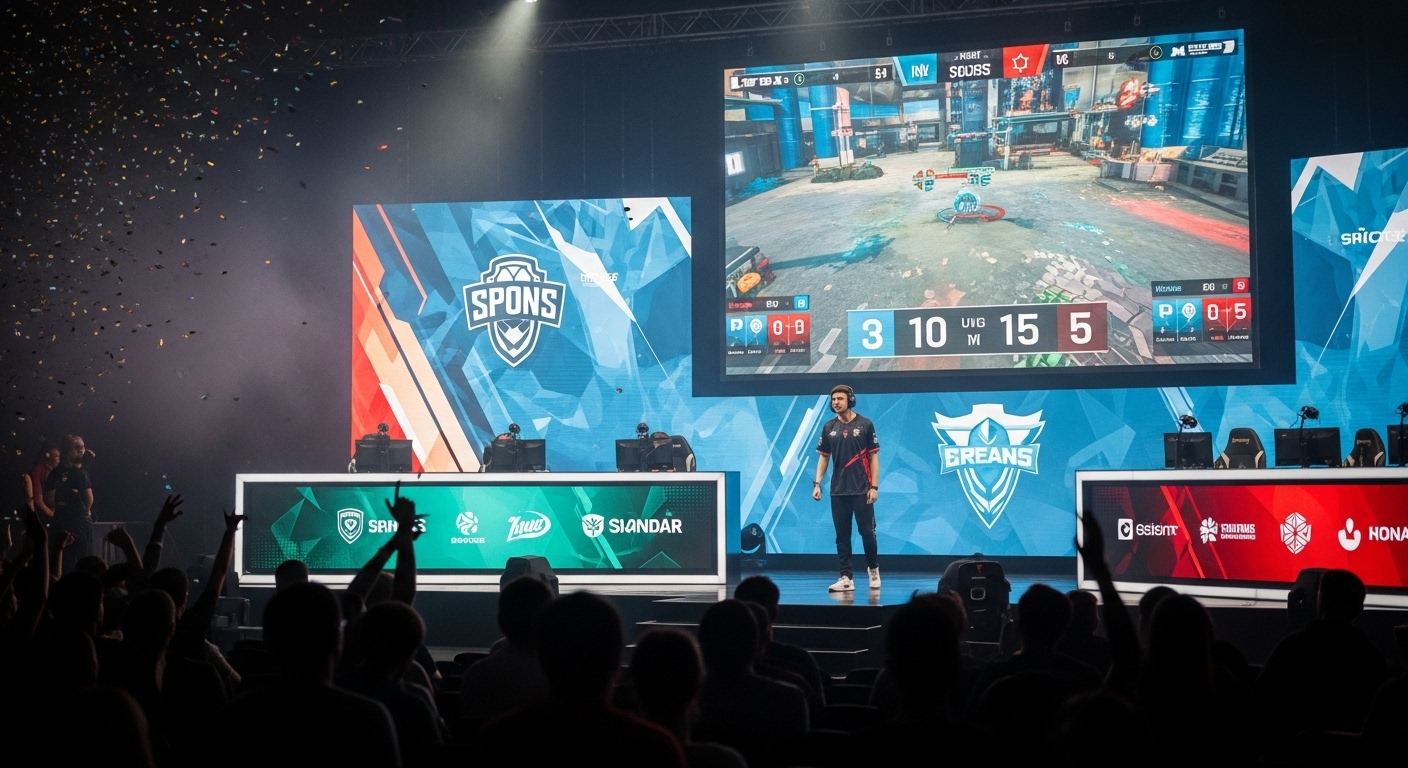
Esports has had a profound impact on global culture. It has created new communities, united fans from different backgrounds, and redefined entertainment for a digital generation. Major cities host tournaments that attract thousands of spectators to packed arenas, where cheering crowds celebrate every victory and defeat with the same passion seen in traditional sports stadiums.
Moreover, esports has given rise to a new wave of influencers and content creators. Streamers and gaming personalities have built massive audiences, turning their love for gaming into full-time careers. They have become cultural icons who bridge the gap between gaming, entertainment, and lifestyle.
Esports has also changed how younger generations view career possibilities. Many aspiring players now dream of becoming professional gamers or working in related fields such as game design, broadcasting, and event management. Educational institutions have begun offering esports scholarships, acknowledging the legitimacy of gaming as both a profession and a form of art.
Technological Advancements Driving Esports
The growth of esports is deeply intertwined with technological innovation. High-speed internet, advanced gaming hardware, and powerful streaming tools have made global participation possible. The rise of virtual reality and augmented reality may further transform the future of competitive gaming, offering even more immersive experiences.
Artificial intelligence is also beginning to influence training methods, with AI systems analyzing gameplay patterns and providing personalized feedback to players. Cloud gaming technology allows games to be played on almost any device, expanding accessibility and removing barriers for newcomers.
Esports and the Education System
Educational institutions are increasingly recognizing esports as a legitimate extracurricular and academic pursuit. Universities around the world have established esports programs that teach management, marketing, psychology, and media production through the lens of gaming. This approach not only legitimizes esports but also opens new career pathways for students.
Esports clubs and tournaments within schools promote teamwork, leadership, and problem-solving—skills that are valuable beyond the gaming world. As more students participate in structured gaming environments, educators are beginning to see esports as a tool for engagement and community building.
Challenges Facing the Esports Industry
Despite its success, esports faces several challenges. Player burnout, unhealthy work habits, and short career spans remain major concerns. Unlike traditional sports where athletes can compete for decades, many professional gamers retire young due to physical or mental fatigue.
Regulation is another issue. Because esports is global and diverse, there is no single governing body to enforce standardized rules. Issues such as cheating, match-fixing, and unfair sponsorship deals continue to threaten the industry’s integrity.
Gender representation is also a growing discussion. While esports is theoretically open to all, women remain underrepresented in professional gaming. Initiatives promoting inclusivity and diversity are essential for ensuring that the digital arena reflects the real world’s equality goals.
The Future of Esports: A New Era of Digital Athletics
The future of esports looks brighter than ever. With technological progress and increasing mainstream acceptance, esports is expected to become an even larger part of global entertainment. Traditional sports organizations are investing heavily in esports teams, recognizing the synergy between physical and digital competition.
Virtual arenas, AI-driven analysis, and cross-platform tournaments will shape the next generation of competitive gaming. The lines between traditional and electronic sports will blur further as both worlds share audiences, sponsors, and cultural relevance.
Conclusion: Beyond the Game
Esports is more than a game—it is a movement that redefines what it means to compete, connect, and create. It blends technology, talent, and passion into a powerful global phenomenon that continues to inspire millions. From small local tournaments to world-class arenas filled with roaring fans, esports has proven that competition can thrive anywhere, even within the pixels of a screen.
The digital arena has arrived, and it is here to stay. As we step into the future, esports will continue to push boundaries, unite communities, and celebrate the universal spirit of human achievement. It reminds us that victory is not defined by the field we play on, but by the dedication, skill, and passion we bring to the game.


