The Evolution and Impact of Esports: A Digital Revolution in Competitive Gaming
Introduction
In the last two decades, the global phenomenon of Esports—short for electronic sports—has transformed from a niche hobby into a billion-dollar industry. What began as small gaming tournaments in basements and local arcades has now become a professional, international spectacle. Esports has not only changed the way people view video games but has also revolutionized entertainment, technology, and even education.
This blog explores the evolution, structure, influence, and future of Esports, examining how it has reshaped modern culture and redefined the concept of competition in the digital era.
The Origins of Esports
Early Beginnings in the 1970s and 1980s
The concept of competitive gaming dates back to the early 1970s when video games were first emerging. One of the first recognized gaming competitions took place in 1972 at Stanford University for the game Spacewar!. The prize was modest—a year’s subscription to Rolling Stone magazine—but it symbolized the birth of organized digital competition.
In the 1980s, the rise of arcade games such as Pac-Man, Donkey Kong, and Space Invaders introduced the concept of high-score competitions. Players would compete for top spots on leaderboards, gaining fame in their local communities. Although there were no large-scale tournaments yet, this period established the foundation of competitive gaming.
The Rise of Home Consoles and LAN Parties
The 1990s saw a major shift with the introduction of home gaming consoles like the Nintendo Entertainment System (NES), Sega Genesis, and later the Sony PlayStation. Gaming became a shared household activity. With the introduction of local area network (LAN) technology, multiplayer gaming expanded dramatically. Games such as Doom, Quake, and StarCraft popularized LAN tournaments, allowing players to connect computers and play competitively in real-time.
This was the golden age of grassroots Esports—friends gathering in basements or small gaming cafes to test their skills against one another. It was during this time that the seeds of professional gaming were sown.
The Dawn of Modern Esports (2000s Era)
The Internet Revolution
The rise of the internet in the late 1990s and early 2000s completely transformed the gaming landscape. Multiplayer online games became the new frontier, enabling players from around the world to compete instantly. Titles such as Counter-Strike, Warcraft III, and StarCraft: Brood War laid the groundwork for organized Esports tournaments.
Korea became the early epicenter of professional gaming. Televised matches of StarCraft players drew millions of viewers and created some of the first professional Esports athletes. The Korean model of team-based training, sponsorship, and broadcasting became the blueprint for the global industry that followed.
The Growth of International Competitions
As internet infrastructure improved globally, more countries joined the Esports movement. The early 2000s saw the formation of major organizations such as the Electronic Sports World Cup (ESWC) and Major League Gaming (MLG). These organizations provided structure, rules, and legitimacy to the competitive gaming scene.
The growth was exponential. Prize pools increased, and sponsorships began flowing in from hardware manufacturers and tech companies. For the first time, gamers could make a living from competing professionally.
The Golden Age of Esports (2010–2020)
The Streaming Boom
The rise of live streaming platforms was perhaps the single most important factor that propelled Esports into mainstream popularity. Platforms like Twitch and YouTube Gaming allowed fans to watch tournaments, follow their favorite players, and engage with content in real-time. Esports became not only about competition but also about community and entertainment.
Streaming gave birth to gaming celebrities. Personalities like Ninja, Faker, and Shroud became global icons, earning millions through sponsorships, subscriptions, and tournament winnings. This accessibility helped bridge the gap between casual gamers and professional athletes.
The Rise of Major Titles
During the 2010s, several iconic games defined the Esports industry:
- League of Legends (LoL): Riot Games’ multiplayer online battle arena (MOBA) title became one of the most-watched Esports globally, with events like the League of Legends World Championship drawing millions of viewers.
- Dota 2: Valve’s Dota 2 gained massive attention with The International, which offered record-breaking prize pools crowdfunded by the gaming community.
- Counter-Strike: Global Offensive (CS:GO): Building upon its predecessors, CS:GO became a global Esports staple with major tournaments hosted across continents.
- Fortnite and PUBG: The rise of the battle royale genre introduced a new audience to competitive gaming, blending entertainment and competition in innovative ways.
- Overwatch and Call of Duty Leagues: Franchised leagues brought structure and regional loyalty, much like traditional sports teams.
Sponsorships and Mainstream Recognition
By the late 2010s, major brands such as Coca-Cola, Intel, and Red Bull began sponsoring teams and tournaments. Esports arenas were built, college scholarships were offered for gamers, and even traditional sports organizations—like the NBA and Premier League clubs—invested in Esports teams.
Esports was no longer a subculture; it was mainstream entertainment. The global audience reached hundreds of millions, rivaling traditional sports like baseball and hockey in viewership.
The Economic Impact of Esports
Revenue Streams
The Esports industry generates revenue through multiple channels:
- Sponsorships and Advertising: Brands sponsor tournaments, teams, and individual players to reach younger, tech-savvy audiences.
- Media Rights: Broadcasting and streaming rights are sold to platforms and networks.
- Merchandising and Ticket Sales: Team apparel, gaming peripherals, and event tickets contribute significantly to overall income.
- Game Developer Support: Developers often fund tournaments to promote their titles and maintain player engagement.
By 2022, global Esports revenue exceeded one billion dollars annually, with projections continuing to rise.
Career Opportunities Beyond Gaming
Esports also created a wide range of career paths beyond playing professionally. Roles such as coaches, analysts, casters (commentators), event organizers, marketers, and production crew have become essential. Educational institutions now offer Esports management and game design programs, preparing students for this growing field.
The Psychology of Esports Competition
The Mindset of a Professional Gamer
Like any athlete, professional gamers require intense focus, discipline, and strategy. Training often involves 8–12 hours per day of gameplay, analysis, and team coordination. Mental resilience is key—players must handle high-pressure situations, strategic thinking, and constant adaptation to new updates or “metas.”
The psychological demands of Esports are immense. Teams often hire sports psychologists to help players maintain mental health, manage stress, and build confidence. Reaction time, multitasking, and hand-eye coordination are among the cognitive skills that separate amateurs from professionals.
Community and Fan Engagement
One of the unique aspects of Esports is its close connection to the fanbase. Players interact directly with fans through social media, live streams, and online communities. This accessibility creates a sense of loyalty and intimacy rarely found in traditional sports.
Fans also influence the scene—feedback, memes, and community-driven events shape game updates and tournament culture. The relationship between developer, player, and audience forms a living ecosystem of digital interaction.
Esports as a Cultural Movement
Global Diversity
Esports transcends language, nationality, and background. Competitions feature players from every continent, creating a truly global community. Unlike many traditional sports that require physical attributes, Esports is accessible to anyone with a computer and an internet connection.
This inclusivity has made it particularly popular among younger generations who value diversity, creativity, and digital freedom. The culture around Esports embraces collaboration, innovation, and digital artistry.
Representation and Inclusion
In recent years, efforts have increased to make Esports more inclusive. Female players, LGBTQ+ communities, and underrepresented regions are gaining more visibility. Organizations are promoting diversity initiatives to ensure that competitive gaming remains welcoming and fair for everyone.
The Fusion of Entertainment and Technology
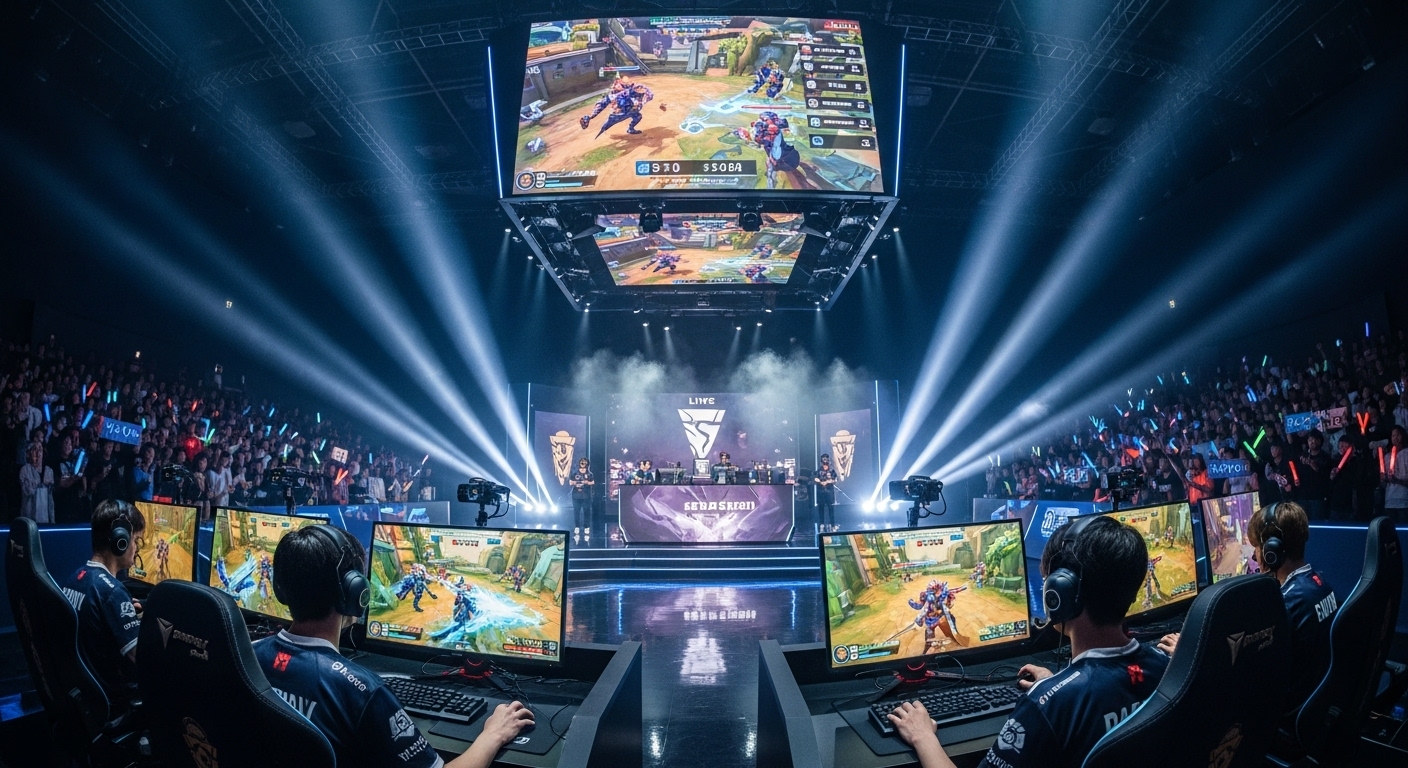
Esports is not just about gaming; it is an intersection of technology, media, and art. The integration of augmented reality (AR), virtual reality (VR), and advanced broadcasting technology has made tournaments visually spectacular. The production quality rivals that of major television events, complete with light shows, music performances, and cinematic storytelling.
Challenges Facing the Esports Industry
Player Burnout and Health Concerns
Despite its glamor, the Esports lifestyle can be demanding. Long hours of practice, travel, and competition can lead to burnout and physical strain. Issues such as eye fatigue, wrist injuries, and mental exhaustion are common. Many organizations now prioritize health programs, balanced schedules, and mandatory rest periods.
Cheating and Fair Play
As with any competitive industry, cheating and match-fixing pose threats to Esports integrity. The use of software hacks, performance-enhancing tools, or illegal betting can damage the industry’s reputation. Esports governing bodies are investing heavily in anti-cheat technologies and regulation systems to maintain fair play.
Economic Sustainability
While the top-tier tournaments and teams thrive, smaller organizations often struggle financially. The rapid growth of Esports has led to over-saturation in certain markets. To sustain long-term success, the industry must develop stable business models and diversify revenue sources.
Esports in Education and Society
Esports in Schools and Universities
Educational institutions worldwide have embraced Esports as both an extracurricular activity and an academic field. Schools now offer Esports programs focusing on teamwork, communication, and strategic thinking. Universities provide scholarships to talented players, recognizing Esports as a legitimate competition comparable to athletics.
These programs teach valuable life skills such as leadership, discipline, and collaboration—qualities that are transferable to other professional fields.
The Social Benefits of Gaming
Esports also fosters community building. For many young people, gaming provides a sense of belonging and identity. Online teams and communities offer friendship, collaboration, and shared purpose. Especially during times of global isolation—such as the COVID-19 pandemic—Esports served as a crucial form of connection and entertainment.
The Future of Esports
Expanding Technologies
The future of Esports is tied to the evolution of technology. Advancements in artificial intelligence, 5G connectivity, and cloud gaming will make competitive gaming even more accessible. Virtual reality could introduce new genres of immersive Esports experiences.
Augmented broadcasting—where fans can view games through interactive overlays and data visualizations—will enhance engagement, making Esports not just a spectator event but an interactive experience.
Global Integration and Recognition
Esports is steadily gaining official recognition from governments and international organizations. Countries like China, South Korea, and the United States have already recognized Esports athletes as professionals. The inclusion of Esports as a medal event in the 2022 Asian Games was a major milestone, paving the way for future inclusion in the Olympics.
The Next Generation of Players
With gaming now a mainstream form of entertainment, the next generation of players is growing up in an environment where Esports is normalized. Children dream of becoming professional gamers just as previous generations dreamed of becoming footballers or musicians. The Esports industry will continue to evolve alongside this cultural shift.
Conclusion
Esports has journeyed from humble beginnings to a global powerhouse of entertainment and innovation. What started as friendly gaming competitions among enthusiasts has grown into a structured, professional ecosystem that rivals traditional sports in scale, influence, and passion.
It has redefined what it means to be an athlete, blurred the boundaries between technology and entertainment, and created new opportunities across industries. From psychology and marketing to education and technology, Esports impacts nearly every sector of modern society.
As the digital age continues to advance, Esports will remain at the forefront of cultural evolution—an emblem of how human creativity, competition, and technology can unite to create something truly extraordinary.


